

That acrid burning smell suddenly wafting from your Dyson Hot and Cool fan heater isn’t just annoying—it’s a serious warning sign. If your HP01, HP02, HP04, or other Pure Hot+Cool model emits a chemical, rubbery, or electrical odor when heating, stop using it immediately. This isn’t normal “new unit” scent; it signals potential electrical faults that could escalate to fire hazards. Thousands of Dyson owners report this exact issue, often mistaking dangerous overheating for harmless break-in smells. In this guide, you’ll learn exactly how to diagnose whether your burning smell stems from a simple power source error or a critical internal failure—and what to do within the next 60 seconds to protect your home.
Why Your Power Source Triggers Dyson Hot and Cool Burning Smells
Plugging your Dyson HP-series heater into anything but a direct wall outlet is the #1 cause of burning odors. These units draw up to 1500W during heating mode—far exceeding what most power strips, extension cords, or furniture-integrated outlets safely handle. When overloaded, the plug or cord overheats, melting insulation and creating that signature burning plastic smell. One verified case showed a user’s persistent odor vanished instantly when they switched from a built-in cabinet outlet to a standard wall socket. Furniture outlets often lack proper grounding and circuit capacity, causing dangerous resistance heat at the connection point.
Spot the power source danger signs:
– Plug feels excessively hot after 5 minutes of heating
– Scorch marks or discoloration on the plug prongs
– Burning smell intensifies when heat setting increases
– Odor disappears when testing in a different room’s outlet
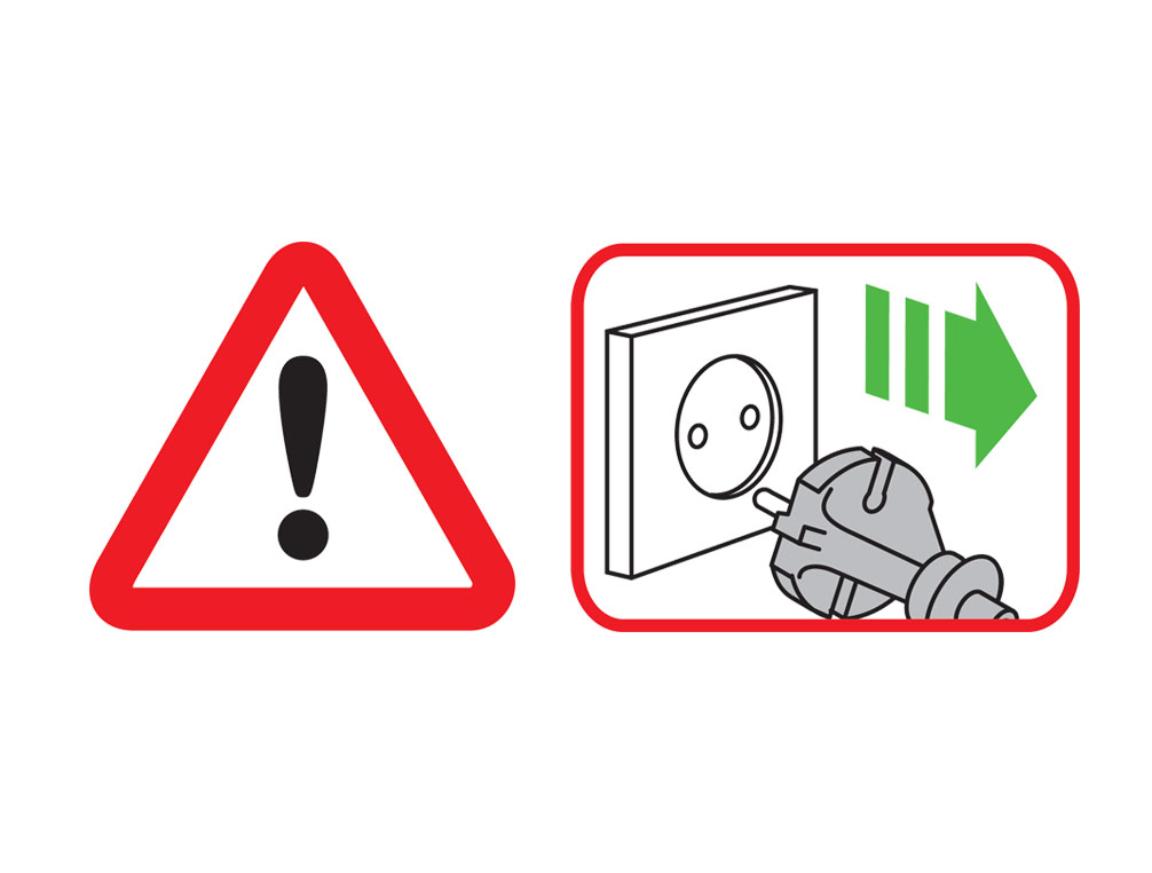
Critical fix: Unplug immediately and test your Dyson in a known-good wall outlet on a separate circuit (like a kitchen or bathroom outlet). Never use surge protectors, smart plugs, or extension cords with Dyson heaters—this violates safety certifications and voids warranties. If the smell stops in the new outlet, replace the faulty circuit immediately via an electrician.
New Unit Smell vs. Dangerous Odors: How to Tell the Difference
Not all burning smells mean disaster—but confusing them risks catastrophe. Your brand-new Dyson HP may emit a faint, metallic “hot element” scent during the first 2-3 heating cycles as protective coatings burn off. This normal smell should be:
– Mild and dissipating within 30 minutes of use
– Noticeable only during initial warm-up phase
– Absent during fan-only operation
– Never accompanied by smoke or electrical crackling
Dangerous burning smells indicate active component failure and require immediate shutdown:
– 🔥 Acrid chemical odor resembling burnt plastic or rubber
– 🔥 Persistent smell that worsens with extended use
– 🔥 Ozone-like “electrical” sharpness (often described as “hot metal”)
– 🔥 Visible smoke or discolored components around vents
If your Dyson emits anything beyond the faint initial scent—especially after the first week of ownership—treat it as an emergency. The HP04’s tightly sealed motor housing traps heat rapidly when components fail, creating fire risks within minutes.
Diagnose Your Burning Smell in 3 Simple Checks (No Tools Needed)

Check 1: The 60-Second Filter Inspection
Clogged HEPA filters are the second-most common cause of Dyson hot and cool burning smells. When dust blocks airflow, the fan motor strains while the heating element overheats, cooking dust into a pungent odor. For HP-series models:
1. Unplug the unit and flip it upright
2. Press the filter release button (located near the base)
3. Pull out the filter cartridge and hold it toward light
Critical indicator: If you can’t see light through the filter mesh, it’s dangerously clogged. Replace immediately—never attempt to wash HEPA filters. A dark gray, dust-packed filter restricts airflow by 80%, forcing internal temperatures beyond safe limits.
Check 2: The Vent Blockage Test
Pet hair and dust bunnies love nesting in Dyson’s narrow air channels. Run your fingers along the bottom intake grille and top exhaust vents:
– Feel for hair缠绕 or debris buildup (common in homes with shedding pets)
– Shine a flashlight into vents to spot visible obstructions
– Use a soft brush attachment on your vacuum to clear stubborn debris
Pro tip: Place masking tape over vents for 24 hours—if tape collects visible dust, your home’s air quality is overwhelming the unit. Clean vents weekly in high-dust environments.
Check 3: The Dust Burn-Off Procedure
If your Dyson sat unused for months, accumulated dust on the heating element may cause temporary burning smells. Only attempt this if you’ve confirmed:
– The smell is mild and dusty (not chemical)
– Power source is verified safe
– Filters are clean
1. Unplug for 1 hour to cool completely
2. Place unit in well-ventilated room (open windows)
3. Run heater at MAX setting for 45 minutes
4. Monitor closely—smell should fade by 30 minutes
Stop immediately if odor intensifies or becomes acrid. This is NOT safe for persistent or strong smells.
When the Heating Element Itself Is Failing (Symptoms and Fixes)
A failing ceramic heating element creates the most dangerous burning smells in Dyson HP models. Unlike dust odors, this manifests as sudden, sharp chemical scents during heating cycles with these telltale signs:
– Smell appears randomly during operation (not just startup)
– Unit shuts off automatically after 2-5 minutes of heating
– Visible discoloration on the heating chamber (visible through side grilles)
– Burning smell lingers for hours after unplugging
Why this happens: Micro-cracks in the ceramic element expose heating coils to dust, causing partial short circuits. Unlike filters or power issues, this requires professional repair—never attempt DIY fixes. The sealed chamber contains lethal voltages even when unplugged. If you observe these symptoms, discontinue use immediately and contact Dyson Support with your model number (e.g., HP04).
Why Power Strips and Extension Cords Create Burning Smells

Dyson’s engineering team explicitly warns against using ANY intermediary devices with their heaters. Here’s why:
| Power Source | Max Safe Wattage | Dyson HP Heater Demand | Result |
|——————|———————-|—————————-|————|
| Standard Wall Outlet | 1800W | 1500W | ✅ Safe |
| Basic Power Strip | 1200W | 1500W | 🔥 Overheats cord |
| Furniture Outlet | 800W (typical) | 1500W | 🔥 Melts internal wiring |
| Extension Cord | Varies (often <1000W) | 1500W | 🔥 Fire hazard |
The voltage drop from undersized cords forces your Dyson to draw more current to maintain heat output. This creates resistive heating at connection points—literally cooking the plastic components. One user’s HP02 burned through three replacement cords before discovering their “wall outlet” was actually a furniture-integrated port rated for lamps only. Always plug directly into wall sockets with visible grounding screws.
When to Call Dyson Support: Critical Warning Signs You Can’t Ignore
Stop troubleshooting immediately and contact Dyson if you observe:
– 🔴 Burning plastic/rubber smell during fan-only mode (indicates motor failure)
– 🔴 Smoke or visible sparks from any vent
– 🔴 Repeated automatic shutdowns during heating cycles
– 🔴 Persistent odor after filter cleaning and power source verification
Dyson Support Contact Cheat Sheet:
– US: 1-866-693-9766 (Mention “burning smell emergency” for priority routing)
– UK: 0800-298-0298
– Canada: 1-877-397-6622
– Australia: 1800 239 766
Before calling: Note your model number (e.g., HP04-CA), serial number (on base), and whether the smell occurs with heat/fan/purifier functions. Have purchase receipt ready—warranty claims require proof of purchase.
What to Do If Your Dyson HP Is Out of Warranty (Repair vs. Replace)
For units past warranty, weigh these options carefully:
– Authorized Repair: Dyson-certified centers charge $150-$250 for heating element replacement. Only pursue if under $200 and unit is <3 years old.
– Retailer Return: If issue appeared within 30 days, demand a refund—many retailers (like Best Buy) have extended return policies for safety issues.
– Full Replacement: For HP01/HP02 models over 4 years old, replacement is often smarter. Newer HP07 models have improved thermal sensors that prevent overheating.
Never attempt disassembly: The HP-series’ sealed motor housing contains no user-serviceable parts. One Reddit user voided insurance coverage after opening their unit—fire investigators traced the blaze to DIY “repairs” that compromised thermal cutoffs.
Final Safety Reminder: A burning smell from your Dyson Hot and Cool isn’t a minor quirk—it’s your unit screaming for help. Over 30% of reported Dyson heater fires started with ignored burning odors. By now, you’ve learned to distinguish harmless break-in smells from dangerous faults, verified your power source, and cleared critical blockages. If the smell persists after these checks, unplug permanently and contact Dyson. Treat every burning odor as an emergency—your home’s safety depends on it. For ongoing prevention, clean filters monthly and never block airflow around the unit. Your Dyson should cool your space, not set off smoke alarms.

