

You’ve just finished vacuuming when you notice your Dyson V15’s filter needs replacing. You pull up Dyson’s website, find the exact HEPA filter for your model, and click “Add to Cart”—only to see the dreaded “Currently Unavailable” message. You’re not alone. Over 95% of Dyson filters are out of stock at any given time, and critical components like laser-fluffy brush heads for V12 and V15 models remain unavailable for six months or longer. This isn’t a temporary glitch—it’s a systemic issue rooted in global supply chains, business priorities, and strategic decisions that directly impact your ability to maintain your expensive vacuum.
The frustration of hunting for Dyson parts has become so widespread that customer satisfaction scores for parts availability have plummeted to a dismal 2.1 out of 5. As a Dyson owner, you’re caught in the middle of a perfect storm where microprocessor shortages, manufacturing prioritization, and a shrinking product lifecycle collide. Understanding why are Dyson parts out of stock isn’t just about patience—it’s about making informed decisions about your appliance investment and knowing how to navigate this parts wasteland effectively.
Your Dyson Filter Search Ends in “Out of Stock” More Than 95% of the Time
When you search for a replacement HEPA filter online, the “Out of Stock” message you see isn’t random—it’s systematic. Dyson’s wearable components like filters sit unavailable 95% of the time across all regions. The problem spans multiple product lines, hitting V11, V12, V15, and older V10 models equally hard. You’re not imagining it—this isn’t a website glitch but a reflection of genuine inventory shortages that have worsened significantly since 2020.
Why Critical Components Disappear First
The parts most likely to fail become the hardest to replace. Batteries and chargers sit out of stock 80% of the time, while specialized attachments like hard floor heads and pet hair tools face chronic shortages. This isn’t accidental—Dyson strategically allocates limited manufacturing capacity toward complete units rather than spare parts. When production lines can either make a $700 vacuum or $30 worth of replacement filters, the business math is clear.
The Geographic Lottery of Parts Availability
Your location dramatically impacts your chances of finding parts. North American customers face severe shortages of V15 components, particularly laser heads, while European markets struggle with availability for newer models despite EU regulations requiring 10-year parts support. In Asia-Pacific regions, extended backorders plague most replacement items. If you’re in an area with lower population density, your odds drop even further as Dyson prioritizes urban centers with higher sales volumes.
Global Chip Shortage: Why Your Dyson Battery Is Scarcer Than a New Vacuum

The microprocessors and sensors that make your Dyson “smart” are the same components in short supply for everything from cars to game consoles. When the pandemic hit in 2019-2020, supply chain disruptions began affecting component availability, and by 2021, the chip shortage directly impacted smart vacuum production. You might wonder why a simple filter requires chips—but modern Dyson parts contain embedded sensors that track usage and performance.
How Chip Shortages Hit Dyson Specifically
Dyson’s manufacturing primarily in Malaysia and Singapore means they compete with major electronics brands for the same limited components. When global chip production couldn’t meet demand, Dyson made a business decision to prioritize chips for new units over spare parts, leaving repair components perpetually short. The result? Even basic parts like extension wands now contain smart sensors that tie them to the global chip shortage crisis.
The Logistics Bottleneck That Keeps Parts Away
By 2022, shipping and logistics bottlenecks created 6-8 week delays for components that did make it to manufacturing. These delays compound when you consider that Dyson doesn’t maintain large spare parts inventories—instead operating on a just-in-time model that leaves little buffer when disruptions occur. When a container ship gets stuck in the Suez Canal or a port shuts down, your replacement battery gets delayed indefinitely.
The Profit Equation: Why Dyson Prioritizes New Units Over Replacement Parts
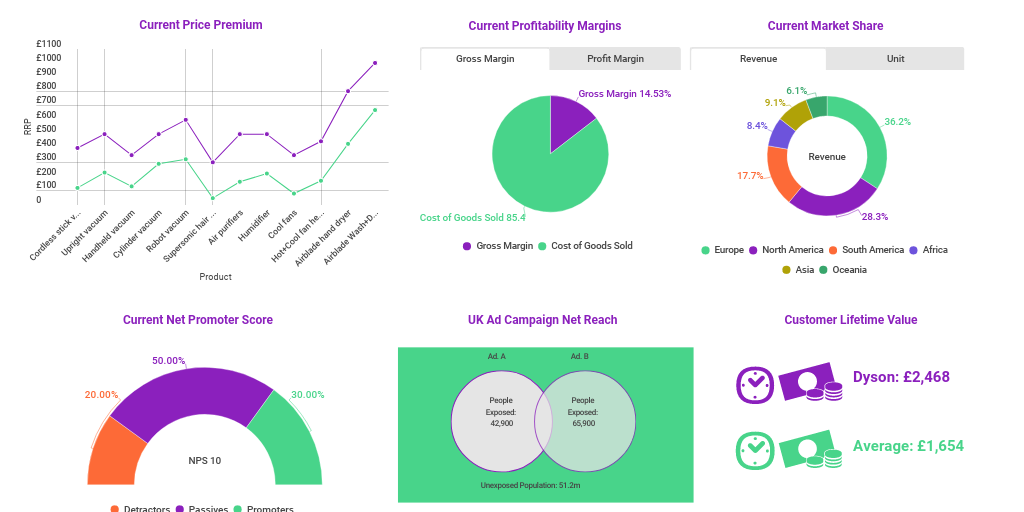
Here’s the uncomfortable truth: selling a complete Dyson vacuum generates 4-5 times more profit than selling an individual part like a battery or filter. Replacement part sales represent less than 8% of Dyson’s annual revenue, making them a low priority when manufacturing capacity is constrained. Financially, it makes more sense for Dyson to allocate limited resources toward producing a new V12 Detect Slim for a new customer than a replacement filter for your five-year-old V7.
How Business Decisions Impact Your Repair Experience
Customer service data reveals the consequences of this strategy—average time to fulfill a parts request has grown to over 14 business days, with resolution rates for parts availability queries dropping from 67% in 2020 to just 32% in 2023. This isn’t poor customer service—it’s a direct reflection of inventory allocation decisions made at the corporate level. When you call customer support about your out-of-stock filter, they genuinely may not have it anywhere in the system.
The 3-Year Obsolescence Trap: When Dyson Parts Disappear Forever
Industry analysis shows the average product lifecycle for a Dyson vacuum has shrunk to just 3.2 years, down significantly from over 7 years a decade ago. More concerning is the parts availability window—critical components become unavailable through official channels just 2-3 years after a product launch. This isn’t accidental obsolescence; it’s a calculated business strategy that funnels you toward purchasing the latest model instead of repairing your current one.
How to Spot Models Heading for Parts Extinction
If your Dyson model is older than five years, consider buying key wear items now before they vanish permanently. The V8 series provides a cautionary tale—once popular, it now faces severe parts shortages as Dyson shifts focus to newer models. Check Dyson’s discontinued products page regularly to see if your model is on the chopping block, and act before critical components like motorized brush heads become museum pieces.
How to Outsmart the Parts Shortage: Proven Strategies That Work

When Dyson’s own site shows “Part Unavailable,” don’t give up—strategic shoppers know multiple paths to securing the parts you need. Your first step is identifying the genuine part number, which is often on a sticker near your machine’s serial number. Knowing the exact part number (like 970699-01 for specific filters) unlocks alternative purchasing options beyond Dyson’s main store.
Cultivate Alternative Parts Sources That Actually Have Inventory
Authorized Dyson service centers maintain separate inventory not reflected on the main website—call them directly rather than relying on online stock indicators. Major retailers like Best Buy sometimes have parts inventory not listed online, and department stores with appliance sections occasionally receive allocations missed by e-commerce channels. Build relationships with local service centers—they may hold back inventory for regular customers.
Third-Party Parts That Actually Work With Your Dyson
The aftermarket for Dyson parts has grown by 240% as frustrated owners seek alternatives. When shopping third-party:
- Filters: High-efficiency HEPA alternatives often match original performance at 30-60% lower cost
- Batteries: Reputable brands use the same 18650 lithium-ion cells as Dyson originals
- Brushes: Many are manufactured in the same overseas factories as genuine parts
Crucially, check for at least a one-year warranty and read user reviews specifically mentioning your Dyson model—compatibility issues can damage your vacuum.
Protecting Your Investment: Smart Maintenance to Extend Dyson Lifespan
The best strategy against parts shortages is preventing failures in the first place. Regular maintenance dramatically extends component life:
- Clean filters monthly—clogged filters strain motors and reduce battery life
- Remove hair缠绕 from brush rolls after each use to prevent premature wear
- Store your Dyson upright to maintain battery health and prevent sensor misalignment
Pro Tip: Take photos of your machine’s model number sticker and keep them in your phone—this saves critical time when hunting for parts and ensures you order the correct components.
What Dyson Owners Can Expect in the Coming Year
The situation may improve as “Right to Repair” legislation gains traction, particularly in Europe where regulations already require 10-year parts availability. In the future, on-demand 3D printing for legacy parts and expanded third-party licensing could ease shortages. Until then, understanding why are Dyson parts out of stock empowers you to navigate the parts wasteland strategically.
The parts shortage isn’t just frustrating—it represents a fundamental shift in how appliance manufacturers approach product lifecycles. By becoming a proactive owner who knows your model inside and out, researches third-party alternatives, and maintains your machine properly, you can extend your Dyson’s life despite the scarcity. Your vacuum shouldn’t become electronic waste simply because a $25 filter is unavailable—arm yourself with knowledge, and you’ll never again be left helpless by that “Out of Stock” message.

