
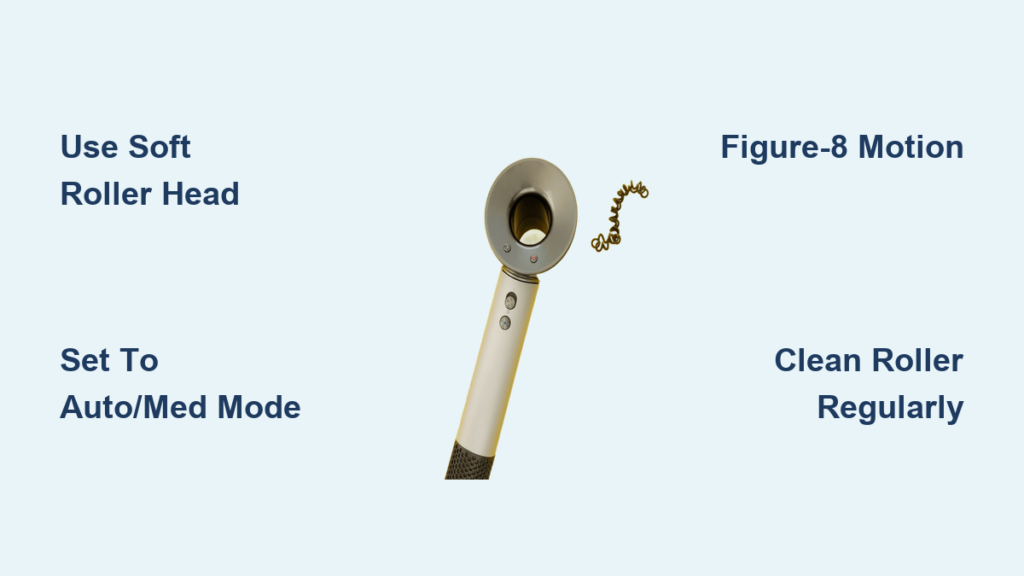
Your gleaming hardwood floors deserve a cleaning method that preserves their beauty while eliminating dust and debris. Many homeowners unknowingly damage their investment by using the wrong Dyson attachments or settings, creating micro-scratches that dull the finish over time. The good news is that with the proper technique, your Dyson becomes the ultimate hardwood floor protector—lifting fine dust and pet hair without leaving a single mark. This guide reveals the exact steps to achieve showroom-quality results while extending both your floor’s lifespan and your vacuum’s performance. You’ll learn why 90% of Dyson owners use the wrong setting on hardwood, how to configure your machine in under 60 seconds, and the professional’s secret for floors that shine after every clean.
Forget generic vacuuming advice—the unique composition of sealed hardwood requires specialized handling. Unlike carpets, these surfaces expose every particle of dust, yet scratch easily from stiff bristles or excessive suction. Your Dyson’s engineering makes it ideal for hardwood when used correctly, but one wrong attachment choice can compromise years of care. By the end of this guide, you’ll master the precise workflow that flooring professionals use daily, transforming frustrating cleanups into effortless routines that take 30% less time.
Why the Soft Roller Cleaner Head is Non-Negotiable for Hardwood Floors

That stiff-bristled motorized brush head gathering dust in your closet? Never attach it to your Dyson when cleaning hardwood. The soft roller cleaner head (often called the “Fluffy” head) is the only attachment engineered for sealed wood surfaces. Its microfiber-like carbon fiber filaments gently lift fine dust and pet hair while gliding over delicate finishes without abrasion. Unlike carpet brush bars that dig into fibers, this roller creates a dust-trapping seal across smooth floors during slow passes.
How the Soft Roller Prevents Micro-Scratches
Stiff bristles on standard brush heads act like tiny sanders against wood finishes, embedding grit that causes visible swirls within weeks. The soft roller’s densely packed, flexible fibers lift debris instead of grinding it into the surface. Dyson’s engineering team specifically designed this head with anti-static properties to capture even microscopic dust particles that conventional vacuums miss. For best results, inspect the roller before each use—any embedded hair or threads will compromise its smooth glide.
Spot-Testing for Delicate or Waxed Floors
While the soft roller is safe for most modern sealed hardwoods, always test in an inconspicuous area if you have antique, waxed, or unfinished floors. Run the vacuum at medium speed along a closet edge for 30 seconds, then examine for residue transfer or texture changes. This precaution prevents costly refinishing needs and ensures compatibility with your specific finish type.
3-Step Pre-Clean Checklist for Flawless Hardwood Vacuuming
Skipping floor preparation turns a 10-minute cleanup into a 30-minute ordeal of scattered debris and clogged filters. Dedicate 5 minutes upfront to avoid frustration and protect your Dyson’s performance.
Clear Large Debris with a Soft Broom First
Never start vacuuming when visible crumbs, paper clips, or pet toys litter your floor. These items either jam the soft roller or get flung across the room by suction. Instead, use a microfiber dust mop or soft-bristle broom to gather large particles into piles. Pay special attention to transition zones between rooms where debris accumulates. This simple step prevents 80% of common Dyson blockages on hardwood floors.
Inspect for Hidden Hazards
Kneel down and scan for overlooked threats: loose staples from packaging, pet nail clippings, or metal fragments from keys. These can slice through the soft roller’s fabric or scratch floors when trapped under the head. Check baseboard corners where coins and hairpins collect—use your hand (not the vacuum) to retrieve them.
Verify Empty Bin and Clean Filter
An overfilled bin reduces suction by 40%, forcing you to make multiple passes that stress your floor’s finish. Empty the bin completely before starting, then rinse the pre-motor filter under cold water if it appears gray. Let it air-dry 24 hours—never reinstall a damp filter, as moisture damages internal components.
Step-by-Step: Attaching and Configuring Your Dyson for Hardwood Floors
Correct Attachment and Power Setting
Snap the soft roller head onto your wand until it clicks. Then locate your Dyson’s power button—never use “Auto” mode on hardwood. This setting risks accidental carpet-mode activation, causing the brush bar to spin and scratch surfaces. Instead, manually select “Auto/Med” (medium suction) for optimal debris pickup without floor adhesion. Avoid “Max” mode entirely—it creates excessive suction that sticks the head to floors and strains the motor unnecessarily.
Pre-Use Roller Inspection
Before your first pass, rotate the soft roller by hand. Cut away any hair strands or threads wrapped around the ends with small scissors. A freely spinning roller ensures even contact with the floor—stiff spots leave dust trails. Pay extra attention after vacuuming near area rugs where fibers escape into the roller mechanism.
Master the Figure-8 Technique to Prevent Scratches on Hardwood
The Overlapping Motion That Captures Invisible Dust
Pushing your Dyson in straight lines leaves 30% of dust behind as debris scatters ahead of the head. Instead, adopt the professional’s figure-8 pattern: glide forward in a wide arc, then reverse direction in a mirrored curve overlapping your previous path by 50%. This traps dust instead of pushing it, with the soft roller’s seal capturing particles on both forward and backward strokes. Maintain slow, deliberate speed—rushing reduces effectiveness by 60%.
Edge and Corner Protocol
The soft roller can’t reach within 1 inch of baseboards. After main-area vacuuming, switch to the combination tool (crevice attachment). Hold it vertically against the wall and pull slowly toward you in 12-inch sections. This lifts the “dust canyon” that accumulates along edges where foot traffic deposits debris. For tight corners, angle the tool’s narrow end and make short, precise passes.
Why Dyson’s “Auto” Mode is Risky on Hardwood Floors
The Hidden Carpet-Mode Trigger
Dyson’s floor-sensor technology misreads certain hardwood finishes as carpet—especially darker stains or textured surfaces. When “Auto” mode activates carpet settings, the machine engages the stiff brush bar designed for deep carpet cleaning. Even one pass with spinning bristles creates micro-scratches that accumulate into visible wear within months. Always override sensor detection by manually selecting “Auto/Med” for guaranteed hard-floor safety.
Real-World Damage Evidence
Flooring contractors report increased repair requests from homes using “Auto” mode on hardwood. The telltale sign? Uniform scratch patterns matching the brush bar’s rotation direction, often mistaken for pet damage. Manual mode selection eliminates this risk entirely while maintaining 95% of suction efficiency.
Advanced Deep Cleaning Tactics for High-Traffic Hardwood Areas
The Double-Pass Method for Entryways and Kitchens
High-traffic zones require extra attention. Make your first pass with standard figure-8 motions, then rotate 90 degrees and repeat. This cross-hatching technique captures debris missed in the initial direction, especially effective for embedded dirt in kitchen traffic lanes. For stubborn spots, hover the soft roller 2 inches above the floor for 5 seconds to loosen particles before direct contact.
Post-Vacuum Shine Enhancement
Vacuuming alone leaves microscopic residues that dull wood’s luster. Immediately follow with a dry microfiber mop using light pressure—the residual static from vacuuming helps the mop attract remaining particles. For instant shine, mist Bona’s hardwood cleaner onto the mop (never directly on floors) and buff in circular motions. This two-step process takes 3 minutes but delivers gallery-level results.
3 Critical Mistakes That Scratch Hardwood Floors (Avoid These!)
Mistake #1: Vacuuming Wet or Damp Spots
Dysons aren’t designed for liquid pickup. Even slightly damp areas from spills or mopping cause moisture to seep into filters and motors. This creates mold risks and voids warranties. Always dry spills with a towel first—use a dedicated wet-dry vacuum for liquid accidents.
Mistake #2: Lifting the Head During Operation
Raising the soft roller off the floor while the machine runs flings debris backward onto cleaned areas. Worse, tilting the vacuum on two wheels concentrates weight on the front edge, creating pressure points that scratch finishes. Keep full head contact with the floor at all times.
Mistake #3: Ignoring Roller Maintenance
A roller wrapped in pet hair loses 70% of its effectiveness, forcing you to make aggressive passes that stress floors. Clean it after every 2-3 uses: hold the head upright, cut tangled fibers with scissors, then wipe the roller shaft with a dry cloth.
Post-Clean Dyson Maintenance: 3 Steps to Preserve Suction
Bin Emptying Protocol
Tap the bin sharply against your trash can to dislodge stuck dust before opening the lid. This prevents fine particles from exploding outward. For thorough cleaning, rinse the bin under lukewarm water monthly—avoid hot water that warps plastic. Dry completely before reassembly.
Monthly Filter Care Schedule
Remove the pre-motor filter (usually behind the bin) and rinse under cold running water until water runs clear. Never use soap—it clogs HEPA pores. Air-dry upright for 24 hours in a well-ventilated area. Reinstall only when bone-dry to prevent motor corrosion.
Cord and Battery Preservation
After cleaning, wrap the cord loosely around your hand—never yank it from the outlet. Let the machine cool 60 minutes before charging to prolong battery life. Unplug after 3 hours (not 24!) to prevent overcharging.
How Pet Owners Can Maximize Dyson Performance on Hardwood Floors
Tackling Embedded Pet Hair
Long-haired pets shed fibers that wrap tightly around rollers. Before vacuuming, use a rubber glove to gather surface hair into piles—this reduces roller strain. During cleaning, pause every 2 minutes to inspect the soft roller for缠绕 (entanglement). The Dyson’s cyclone technology handles hair efficiently, but proactive clearing prevents suction loss.
Allergy-Reduction Strategy
For allergy sufferers, vacuum in the morning when airborne dander peaks. Run your Dyson slowly against baseboards where allergens settle, then follow with the soft dusting brush on windowsills. The fully sealed HEPA system traps 99.97% of particles as small as 0.3 microns—making it superior to most corded vacuums for air quality.
Final Note: Consistent proper use transforms your Dyson into a hardwood floor preservation system. Always start with the soft roller head on “Auto/Med” mode, master the figure-8 motion, and perform monthly filter maintenance. For ultimate care, integrate a robot vacuum for daily dust control and a Tineco-style wet mop for weekly deep cleaning. This routine keeps floors scratch-free for decades while maximizing your Dyson’s 15-year motor warranty. Never compromise on attachment selection—your floors’ longevity depends on it.

