
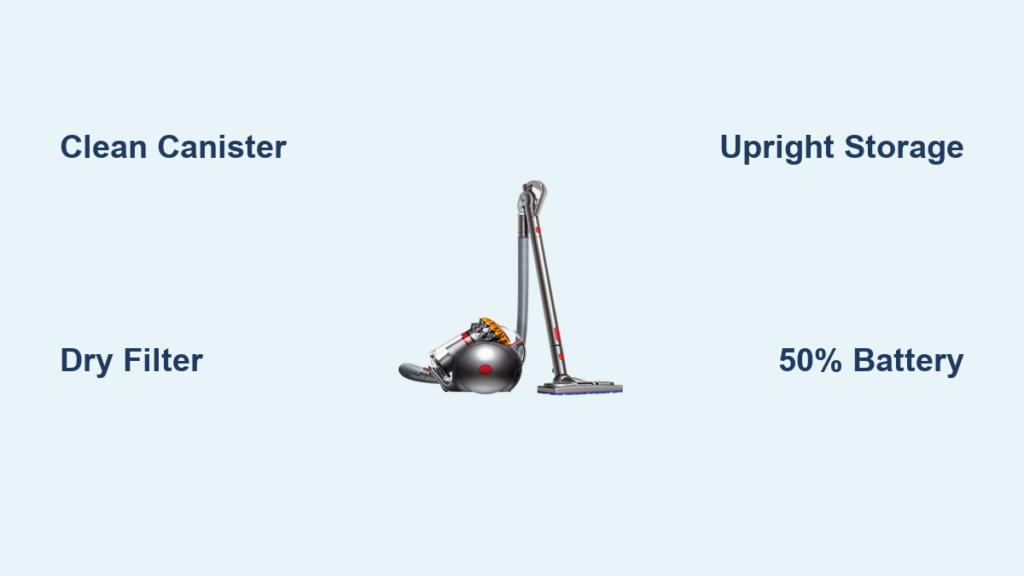
Your Dyson Big Ball vacuum represents a significant investment in keeping your home clean, but improper storage can quickly undermine that investment. Many homeowners unknowingly shorten their vacuum’s lifespan by simply shoving it in a closet or garage after use. When you store your Dyson Big Ball incorrectly, you risk developing persistent odors, motor strain, and clogs that diminish suction power over time. This comprehensive guide reveals exactly how to store your Dyson Big Ball vacuum properly—whether for a weekend away or an extended period—so it performs like new when you need it most. You’ll learn specific cleaning techniques, optimal storage positions, and critical battery care that most owners overlook.
Why Your Dyson Big Ball Must Be Completely Clean Before Storage
Storing your Dyson Big Ball with residual dirt isn’t just messy—it actively damages your vacuum. Dust and debris left inside harden over time, creating stubborn clogs that reduce suction efficiency when you finally use it again. More seriously, trapped moisture combined with organic matter creates the perfect environment for mold and bacteria growth inside your vacuum’s internal components. This not only causes unpleasant odors but can corrode sensitive parts and compromise air quality when you restart cleaning. Proper storage begins with a thorough cleaning regimen that addresses every component your vacuum touches.
How to Empty and Deep Clean Your Dyson Big Ball Canister
Start by completely emptying the dirt canister over your outdoor trash bin—never indoors, as this spreads fine dust particles throughout your living space. After emptying, remove the canister from your Dyson Big Ball and rinse it under lukewarm water only. Avoid using soap or harsh chemicals that can leave residue affecting air quality. Pay special attention to the small air vents around the bin’s rim, using a soft toothbrush to dislodge stubborn particles.
Critical mistake to avoid: Never return the canister to your vacuum while damp. Allow it to air-dry for a full 24 hours in a well-ventilated area, away from direct sunlight that could warp the plastic. Place it upside down on a clean towel to ensure complete drainage. A single drop of moisture left inside can encourage mold growth during storage, creating health hazards and permanent odors.
Cleaning Your Dyson Big Ball Filter Without Causing Damage
Your vacuum’s filter requires special attention before storage. Locate the filter (typically behind the dirt canister) and gently remove it. Under cold running water, rinse the filter until the water runs clear, using only your hands to squeeze out debris—never wring or twist the filter, as this damages the filtration media.
Pro tip: Place the damp filter on a clean, dry surface away from direct heat sources. Allow it to dry for a minimum of 24 hours—some models may require up to 72 hours for complete drying. Test for dryness by pressing the filter firmly; if no moisture appears on your fingers, it’s ready for storage. Installing a partially dry filter risks motor damage and reduced performance when you restart using your vacuum.
Storing Your Dyson Big Ball’s Main Unit to Prevent Mechanical Damage
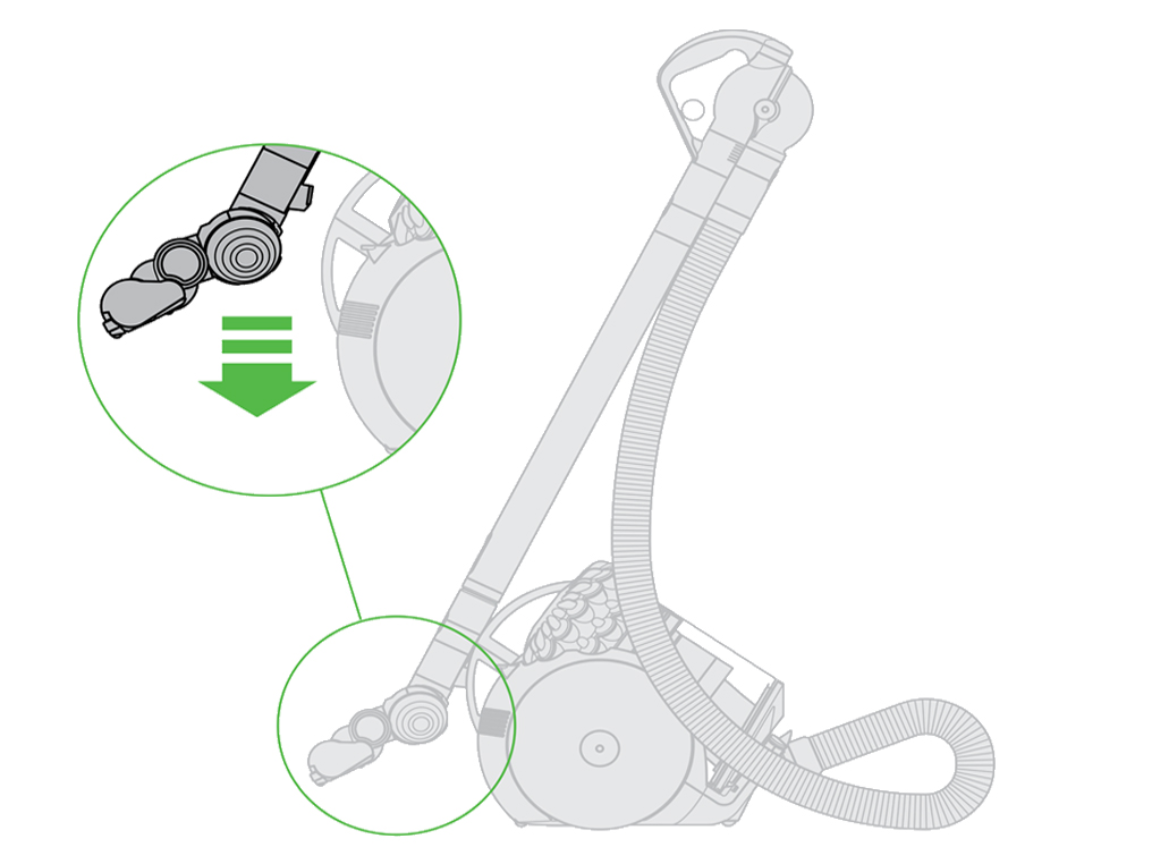
The way you position your Dyson Big Ball during storage directly impacts its mechanical integrity. Many owners unknowingly cause damage by storing their vacuum on its side or with accessories improperly attached. Your Big Ball’s unique spherical design requires specific handling to maintain optimal functionality when you retrieve it from storage.
Proper Power Cord and Hose Storage Techniques
Never wrap your power cord tightly around the vacuum body for storage—this creates stress points that can damage internal wiring over time. Instead, loosely coil the cord in large loops (about 12 inches in diameter) and secure it with a reusable twist tie or Velcro strap, not elastic bands that can degrade and stick to the cord. For the hose, remove it completely from the vacuum and store it straight if possible. If space constraints require coiling, use gentle, wide loops to prevent kinks that create permanent bends and reduce airflow.
Warning: Never store your Dyson Big Ball with the hose or wand attached. This places unnecessary stress on the connection points and can cause cracks or misalignment that affects performance. Store these components separately using the methods outlined in the accessories section.
Ideal Storage Position for Your Dyson Big Ball Vacuum
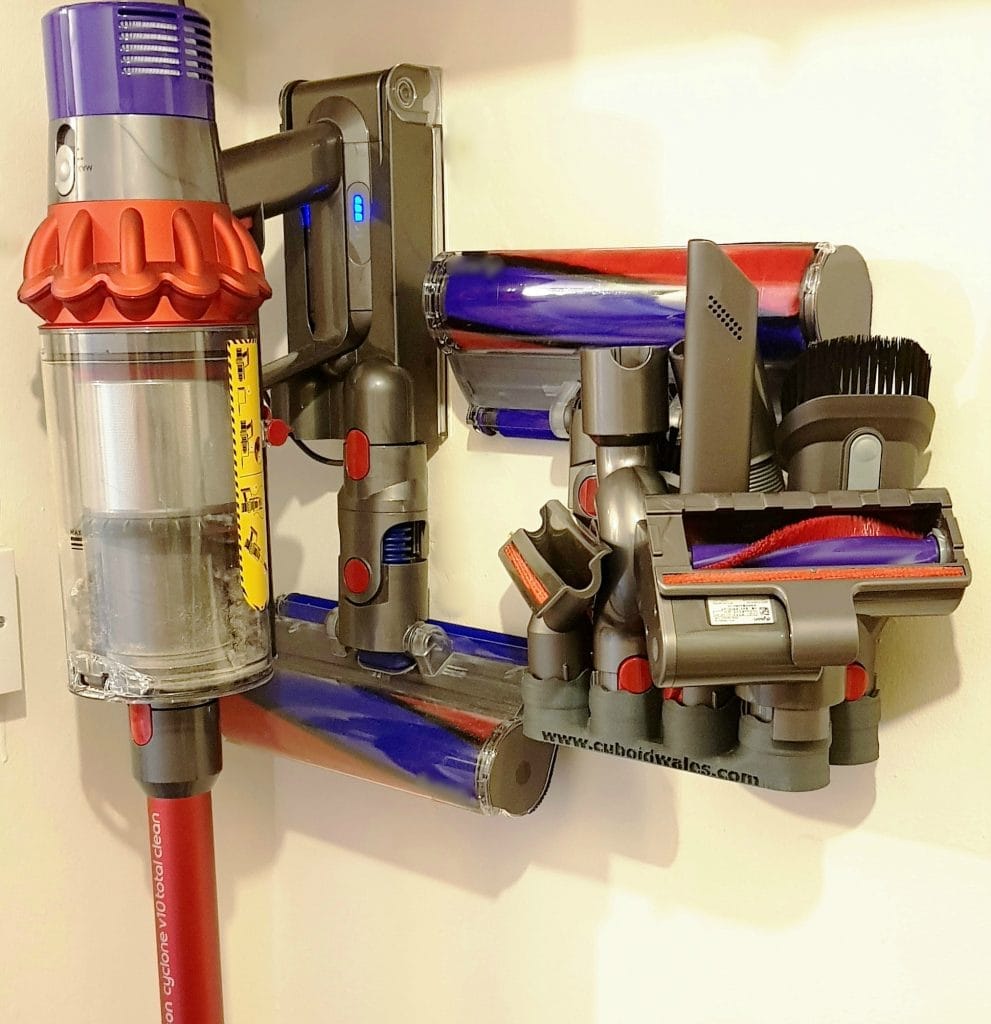
Store your vacuum upright on its base—never on its side or back. The Big Ball’s spherical design allows it to roll, so place it against a wall or in a corner where it won’t accidentally move. This upright position prevents dust from settling into the motor housing and maintains proper alignment of internal components. Ensure the storage area has stable temperatures between 50-75°F (10-24°C) with low humidity—avoid basements, attics, or garages unless they’re climate-controlled.
Organizing and Protecting Your Dyson Big Ball Attachments
Scattered attachments lead to lost components and damaged tools. Proper organization during storage ensures you’ll have everything you need when you retrieve your vacuum, while protecting delicate parts from accidental damage.
Securing Your Cleaning Tools for Long-Term Storage
After thoroughly cleaning and drying each attachment (including the crevice tool, dusting brush, and upholstery tool), group them together using a labeled storage container. For long-term storage exceeding one month, wrap metal components in acid-free tissue paper to prevent corrosion, and place soft-roller heads in breathable cotton bags to protect delicate bristles. Never store attachments inside the vacuum’s dirt canister, as this can scratch the interior surface and create future clogs.
Time-saving hack: Take a photo of your fully assembled vacuum with all attachments properly positioned. Store this image with your vacuum manual so you’ll know exactly where each piece belongs when you’re ready to use your Dyson Big Ball again.
Critical Steps for Long-Term Dyson Big Ball Storage (Over 30 Days)
Extended storage requires additional precautions beyond standard maintenance. These steps protect sensitive components that degrade when inactive for prolonged periods.
Battery Preservation for Cordless Dyson Big Ball Models

If you own a cordless Big Ball model, battery care is paramount. Never store your vacuum with a fully charged battery (100%) or a completely depleted one (0%). Lithium-ion batteries experience maximum stress at both extremes. Instead, charge your vacuum to approximately 50% before storage—this middle range preserves battery health for up to six months. Store the unit in a cool, dry place away from direct sunlight, which can accelerate battery degradation.
Environmental Controls for Maximum Component Protection
Choose a storage location with consistent temperature and low humidity—ideally between 40-70°F (4-21°C) with humidity below 60%. Avoid areas near water heaters, furnaces, or exterior walls where temperature fluctuations occur. Place your vacuum inside a breathable cotton storage bag (never plastic, which traps moisture) and include silica gel packets to absorb ambient humidity. Check these packets monthly during extended storage and replace them when they change color.
Pre-Storage Checklist: 5 Must-Complete Steps Before Putting Away Your Dyson Big Ball
Before you store your vacuum, complete these verification steps to ensure proper preparation:
- Confirm complete dryness: Run your hand along all internal surfaces—no moisture should be detectable
- Check filter installation: Ensure filters click securely into place with no gaps
- Verify empty canister: Shine a flashlight through the bin to spot hidden debris
- Test power switch: Confirm the vacuum powers on and off smoothly before storage
- Document storage date: Place a dated note inside the storage container to track storage duration
Retrieving Your Dyson Big Ball From Storage: Essential Restart Procedures
When you’re ready to use your vacuum again, follow these steps before plugging it in:
- Remove all storage materials and inspect for pest activity, especially if stored in a garage or basement
- Check filters for moisture or mold—replace if questionable
- Reassemble components slowly, verifying each connection clicks properly
- Run the vacuum for 30 seconds on a hard surface before using on carpets
- Listen for unusual noises that might indicate misalignment from storage
Red flag: If you notice reduced suction immediately after storage, check for forgotten storage materials inside the hose or wand connections—this is the most common oversight after retrieval.
Proper storage transforms your Dyson Big Ball from a frequently malfunctioning appliance into a reliable cleaning partner that maintains peak performance for years. By dedicating just 20 minutes to proper storage preparation, you’ll avoid hours of troubleshooting and potential costly repairs down the line. The next time you finish cleaning, resist the urge to simply shove your vacuum in the closet—follow these steps instead, and your Dyson Big Ball will reward you with consistent, powerful performance every time you need it.

