
You’re pushing your Dyson DC14 Animal across the carpet, but it’s just pushing dirt around instead of lifting it. The brush bar sits motionless while pet hair and crumbs stubbornly cling to your floors. This sudden suction failure is the #1 complaint among DC14 Animal owners – and it’s almost always fixable without professional help. When your vacuum stops picking up, the culprit hides in one of three places: a hidden clog choking airflow, a torn soleplate seal sucking in air, or a jammed brush bar. In this guide, you’ll learn exactly how to diagnose and fix your “dyson dc14 animal not picking up” problem using simple tools you already own. Most solutions take under 15 minutes and cost less than $15 in parts.
Why Your Dyson DC14 Animal Floor Head Loses Suction Instantly
When your DC14 Animal stops picking up, the motor is usually still running strong – proven when the hose maintains suction. This critical detail pinpoints the problem downstream from the main unit. The DC14’s brush bar relies entirely on airflow: vacuum suction spins a turbine that drives the brush roll via a belt. If suction drops at the floor head, the brush bar stalls. You’ll notice classic symptoms like suction working only when you tilt the vacuum at a 45-degree angle. This temporary fix occurs because tilting compresses the failing soleplate seal just enough to create momentary suction. Don’t waste money on service calls yet – 90% of these cases stem from three easily addressable failures.
Perform the Critical Hose Suction Test
This 60-second test isolates where your suction loss originates. Unplug your vacuum, then detach both the wand and floor head. Hold your hand over the hose outlet while turning on the vacuum:
– Strong suction? Your motor and filters are functional. The problem lives in the wand, hose connections, or floor head.
– Weak suction? You’ve got a clog near the cyclone or a clogged post-motor HEPA filter.
If suction feels strong at the hose, reattach the wand (without the floor head). Test suction at the wand’s end. Strong here? The floor head is the culprit. Weak? Your clog hides in the wand or hose connections. This test prevents wasted effort on unnecessary repairs.
Unclog Your DC14 Animal’s Air Path Step by Step
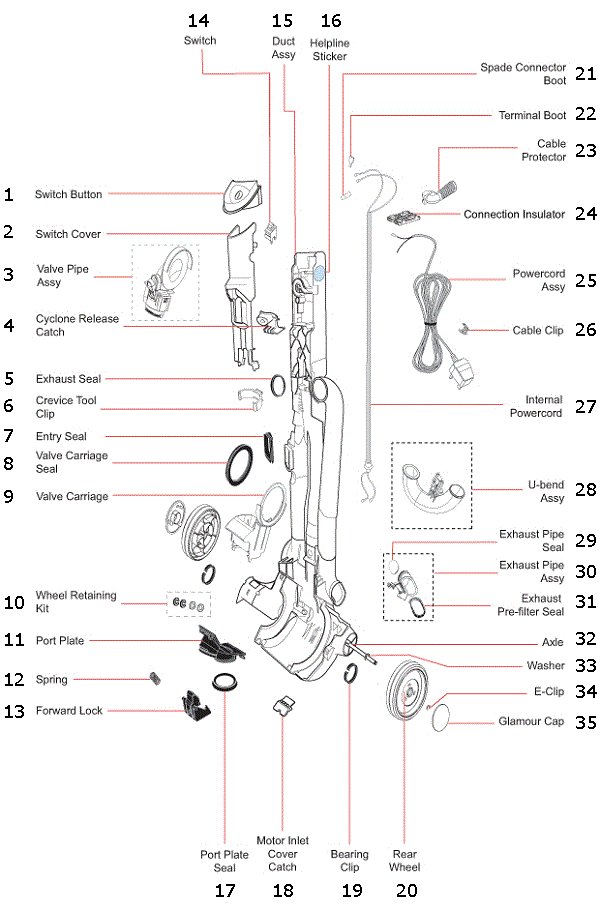
Clogs cause 60% of sudden suction failures. They typically lodge at connection points where debris accumulates. Work backward from the floor head toward the motor:
Clear the Floor Head Airway and Brush Bar
- Flip the vacuum head over and remove the 4 soleplate screws
- Lift off the clear soleplate to expose the brush bar
- Cut hair缠绕 from both brush bar ends using scissors (never pull – you’ll damage bearings)
- Shine a flashlight through the air channel, removing visible debris with tweezers
- Manually spin the brush bar – it should rotate freely with slight resistance
Pro Tip: If the brush bar won’t budge, soak the ends in vinegar for 10 minutes to dissolve hair buildup before cutting. Never force rotation – this can crack plastic end caps.
Dislodge Wand and Hose Blockages
- Disconnect the wand from the hose and floor head
- Drop a marble through each component – if it doesn’t fall freely, you’ve found your clog
- For stubborn obstructions: Insert a flexible plumbing snake or straightened coat hanger
- Critical warning: Never use sharp objects that could puncture the hose lining
Check the wand base connection point especially – this curved section traps string and pet hair. Run your finger along the interior to feel for hidden blockages.
Fix the #1 DC14 Suction Killer: The Soleplate Seal

A compressed or torn foam seal around the soleplate causes 30% of suction failures. This $12 part creates the airtight seal needed for proper suction. When damaged, air rushes through the gap instead of lifting dirt.
Test and Replace Your Soleplate Gasket
- With the soleplate removed, inspect the foam gasket lining the housing
- Failing seal signs: Flattened foam, visible tears, or sections missing entirely
- Perform the tilt test: Hold the floor head 1 inch off the floor while running. If suction returns when tilted, your seal is failing
- Remove the old seal by prying it out with a flathead screwdriver
- Clean the channel with rubbing alcohol before pressing in the new DC14-specific seal
Expert Note: Never use generic foam – Dyson’s DC14 seal has precise thickness (3mm) and adhesion properties. A poor fit creates new air leaks. Replacement takes 8 minutes with basic tools.
Repair the DC14 Clutch Mechanism When Brush Roll Won’t Spin
The DC14’s mechanical clutch engages the brush bar only when the handle lowers to cleaning position. If it fails, the turbine spins but the brush roll stays still – a common issue after vacuuming thick rugs.
Diagnose and Fix Clutch Engagement
- With vacuum running, lower the handle to floor position
- Listen for the turbine’s high-pitched whine (indicates airflow reaching it)
- If turbine spins but brush bar doesn’t:
– Inspect the clutch lever under the cleaner head
– Look for broken plastic tabs or misaligned linkage
– Apply silicone lubricant to moving parts if stiff - If no turbine sound: Your suction issue precedes the clutch – revisit clog checks
Time-Saver: Before disassembling, try vigorously wiggling the handle while lowered. Temporary engagement indicates a worn clutch needing part replacement.
DC14 Animal Filter Cleaning Schedule to Prevent Suction Loss
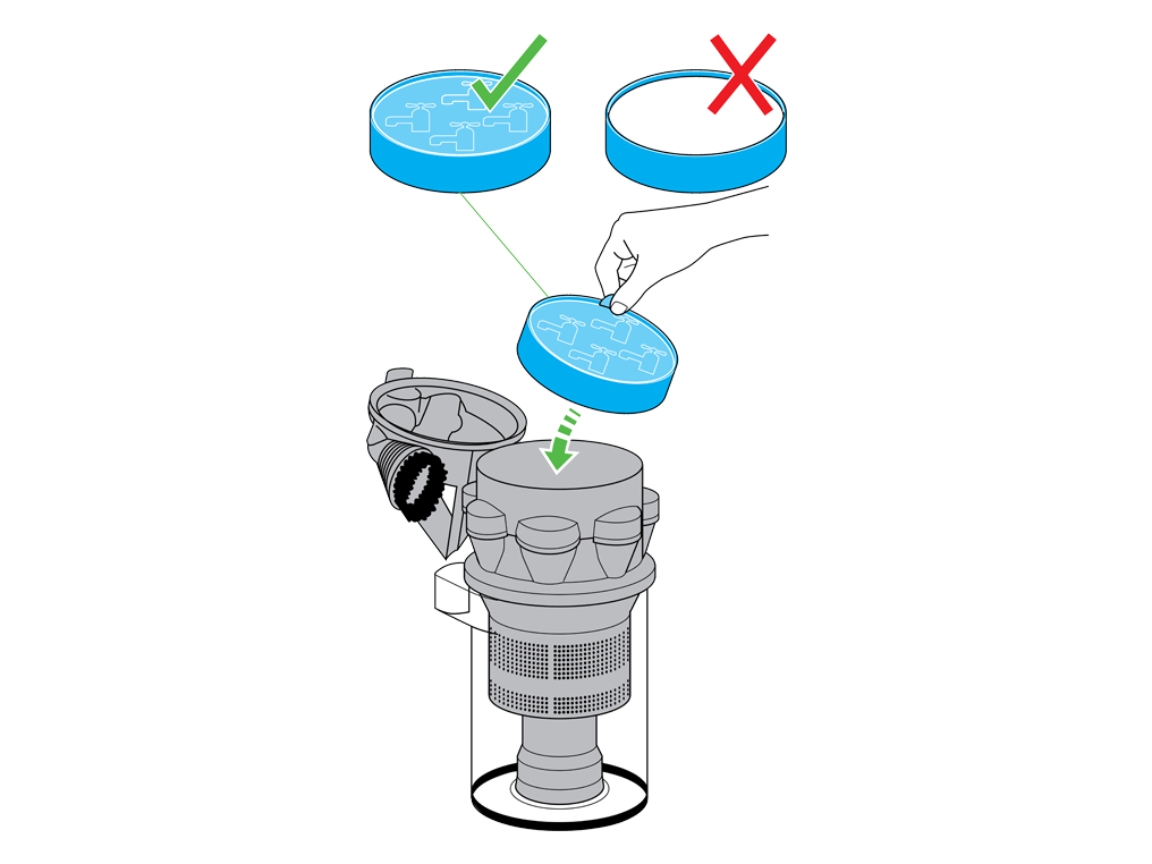
Clogged filters cause gradual suction decline that owners mistake for motor failure. Your DC14 has two critical filters requiring different maintenance:
Pre-Motor Foam Filter (The “Suction Killer”)
- Location: Side of clear bin assembly
- Cleaning: Rinse under cold water monthly (no soap!). Squeeze gently until water runs clear
- Drying: Air dry 24+ hours – never reinstall damp
- Failure sign: Weak suction throughout entire vacuum, not just floor head
Post-Motor HEPA Filter
- Location: Rear of machine behind pull-out panel
- Maintenance: Tap firmly over trash every 3 months to dislodge dust
- Replacement: Every 12-18 months (or when visibly gray)
- Critical note: Never wash this filter – moisture destroys the HEPA media
Pro Tip: Set phone reminders for filter maintenance. A clogged HEPA filter reduces suction by 40% within 6 months of neglect.
DC14 Repair Cost Guide: When to Fix vs. Replace Parts
Most DC14 suction issues cost under $30 to fix. Prioritize repairs this way:
Under $15 Fixes (Always Worth Doing)
- Soleplate seal replacement ($12)
- Pre-motor foam filter ($8)
- Brush bar cleaning (free)
$15-$30 Repairs (Worth It for Machines Under 7 Years)
- HEPA filter replacement ($22)
- New brush bar ($25)
- Turbine head assembly ($28)
Over $30 Repairs (Consider Replacement)
- Motor replacement ($80+)
- Main body electrical repair ($65+)
Expert Decision Rule: If your DC14 is over 8 years old with multiple issues, invest in a newer model. But for isolated suction problems on otherwise functional units, repairs almost always cost less than half the price of a new vacuum.
Final Note: When your dyson dc14 animal not picking up, start with the hose suction test before touching any screws. 85% of suction failures resolve with clog clearing or soleplate seal replacement – both under 15-minute fixes. After repairs, run your vacuum over a flour test patch: strong, immediate pickup confirms success. For ongoing prevention, clean the brush bar after every pet-hair session and replace the soleplate seal yearly. With these steps, your DC14 Animal will deliver powerful pickup for years beyond its expected lifespan. Remember: weak suction almost never means motor failure – it means your vacuum needs its air path cleared and sealed.

