
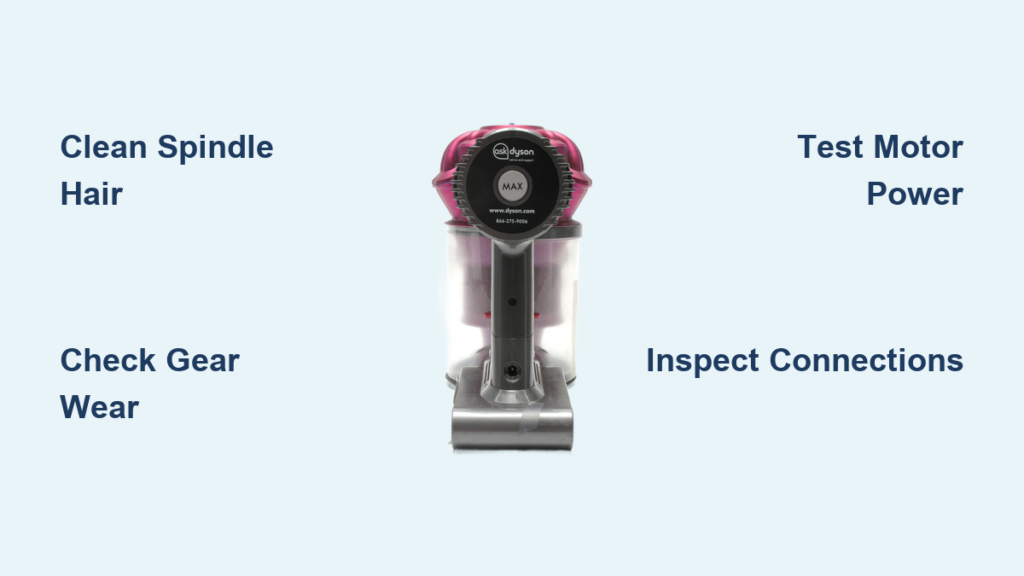
You’ve just unboxed your Dyson SV04 or powered up your trusted vacuum, only to discover the brush roll sits motionless while the motor hums. This frustrating issue affects countless Dyson SV04 owners who suddenly lose deep-cleaning capability. When your Dyson SV04 brush not spinning, you’re left with a vacuum that merely pushes debris around rather than lifting it from carpets. The good news is most brush roll failures have simple solutions you can implement in under 30 minutes with basic tools. This guide delivers proven troubleshooting steps specifically for the SV04 model to get your brush spinning reliably again.
Why Your Dyson SV04 Brush Roll Suddenly Stops Spinning
The most common reason your SV04 brush stops spinning is hidden debris accumulation that you can’t see during routine cleaning. Unlike older Dyson models, the SV04’s brush assembly has narrow clearance points where hair and fibers wrap around the spindle behind the roller. This hidden buildup creates enough resistance to stop the brush completely, even when the motor appears to be working.
The #1 Culprit: Hidden Hair and Debris Jams Behind the Spindle
Your Dyson SV04 brush not spinning is most likely due to hair wrapped around the black spiral connector (spindle) that transfers power to the brush roll. This critical component becomes completely immobilized when hair accumulates behind the roller where you can’t see it. The problem worsens when vacuuming pet hair or long human hair, which wraps tightly around the spindle during normal operation.
How to Locate and Remove Hidden Debris:
– Remove the brush roll completely rather than just cleaning visible hair
– Shine a flashlight into the housing to spot hidden debris behind the roller
– Use tweezers to extract hair wrapped around the spindle shaft
– Blow compressed air through the housing to dislodge fine particles
– Manually rotate the spindle to check for smooth movement before reassembly
Why Intermittent Operation Indicates Early-Stage Jamming
If your SV04 brush spins for a few seconds then stops, you’re experiencing the early warning signs of a developing jam. This intermittent operation occurs when the motor’s thermal protection temporarily shuts down due to increased resistance from partial blockages. Ignoring this symptom leads to complete failure as more debris accumulates with each use.
How to Clear Hair Jams in Your SV04 Cleaner Head

Proper brush roll removal is essential for accessing the hidden problem areas causing your Dyson SV04 brush not spinning. Most owners only clean the visible bristles but miss the critical spindle area where hair accumulates.
Step-by-Step Brush Roll Removal for Deep Cleaning
- Power down and detach the cleaner head from your SV04
- Flip the head over and locate the two release latches on the bottom
- Press both latches simultaneously while lifting the brush cover
- Slide out the brush roll completely from its housing
- Inspect both ends for hair wrapped around the spindle shafts
Finding the Hidden Debris That’s Stopping Rotation
With the brush roll removed, examine these critical areas that cause most SV04 brush failures:
– Spindle shafts: Check for hair wrapped tightly behind the roller ends
– Gear teeth: Look for debris wedged between plastic gears
– Bearing pockets: Remove accumulated dust from housing slots
– Motor shaft: Ensure nothing blocks the connection point
Use small scissors or a seam ripper to carefully cut through stubborn hair without damaging the spindle. Finish by manually spinning the brush roll to confirm smooth rotation before reassembly.
Diagnosing Belt and Gear Problems in Your SV04

While newer Dyson models like the SV04 use direct-drive motors rather than belts, gear wear remains a common failure point. Unlike belt-driven predecessors, the SV04 relies on precise gear engagement that wears down over time.
Checking for Gear Wear That Causes Brush Skipping
Worn gear teeth create the distinctive symptom of your brush spinning erratically or “skipping” during operation. Inspect both the motor drive gear and the brush roll gear for:
– Rounded or flattened gear teeth
– Cracks in plastic gear components
– Excessive play between meshing gears
Critical Check: Place your finger lightly on the brush roll while powering on the vacuum. If you feel intermittent resistance or jerking motion, worn gears are likely the culprit.
Identifying Damaged Components Before They Fail Completely
The SV04’s brush motor connects directly to the roller via a gear system that shows wear patterns before complete failure. Check for:
– Discolored gears indicating overheating
– Grinding noises during operation
– Uneven brush rotation when tested manually
– Burning smell from overheated components
Electrical Troubleshooting for SV04 Brush Motor Failure
When your Dyson SV04 brush not spinning despite a clean assembly, electrical issues become the prime suspect. The SV04’s brush motor operates on 12V DC and requires proper connections to function.
Testing Power Connections to the Brush Motor
- Disconnect the cleaner head from the main unit
- Locate the electrical contacts on both the wand and head
- Clean contacts with a cotton swab and isopropyl alcohol
- Check for bent pins or corrosion on connection points
- Reconnect firmly ensuring proper alignment
If the brush works when the head is slightly rotated, loose connections are causing intermittent power loss.
How to Confirm if Your Motor Needs Replacement
Test your SV04 brush motor functionality with this simple procedure:
1. Remove the brush roll and clean housing thoroughly
2. Power on the vacuum with the head detached from the main unit
3. Listen closely for a faint humming from the head’s motor
4. Place your finger near the motor shaft to feel for vibration
No sound or vibration indicates a failed motor requiring replacement, while humming with no rotation suggests a mechanical blockage still exists.
Why Your SV04 Brush Works Upside Down But Not Upright
This specific symptom—your Dyson SV04 brush not spinning when upright but working when inverted—points to a gravity-related issue affecting the brush mechanism.
Gravity’s Effect on Brush Head Performance
When operating upright, the brush roll bears the full weight of the cleaner head against carpet fibers. This increased load reveals problems invisible during inverted testing:
– Worn bearings create excessive friction under normal load
– Weak motor lacks torque for upright operation
– Misaligned gears bind under pressure
Diagnostic Test: Run your SV04 on hard flooring with the brush head upright. If it spins freely there but not on carpet, the issue is load-related rather than complete failure.
Preventing Future SV04 Brush Roll Failures
Implement these specific maintenance practices to avoid recurring brush roll problems with your SV04:
Monthly Maintenance Tasks That Extend Brush Life
- After each use: Remove visible hair from brush bristles
- Weekly: Check spindle rotation for smoothness
- Monthly: Perform complete brush roll removal and deep cleaning
- Every 3 months: Inspect gears for early wear signs
Focus particular attention on the spindle area where hair accumulates invisibly between cleanings.
When to Replace Parts Before They Fail Completely
The SV04’s brush assembly has predictable wear patterns:
– Brush rollers: Replace every 12-18 months with regular use
– Gears: Inspect every 6 months for wear indicators
– Motor: Consider replacement if over 3 years old with frequent use
Pro Tip: Keep a spare brush roll on hand ($25-$40) to avoid downtime when the original fails.
Repair vs. Replacement: SV04 Brush Head Cost Analysis
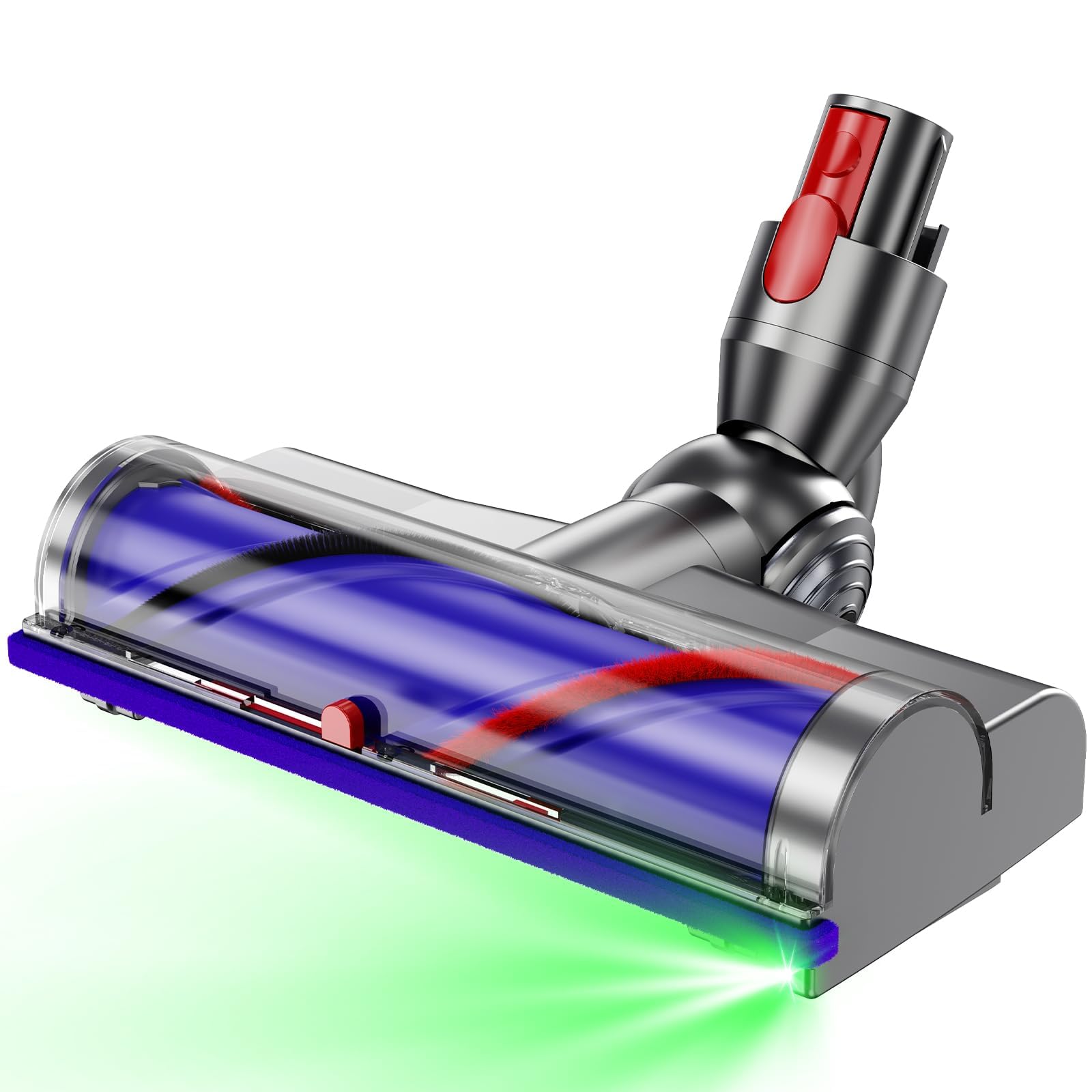
When facing persistent brush roll problems, calculate these cost factors before deciding:
DIY Repair Costs for Common Brush Problems
| Issue | Parts Cost | Time Required | Success Rate |
|---|---|---|---|
| Hair Jam | $0 | 15 minutes | 85% |
| Gear Replacement | $15-$25 | 45 minutes | 75% |
| Motor Replacement | $30-$45 | 1 hour | 95% |
Most SV04 owners save 50-70% by repairing rather than replacing the entire cleaner head ($80-$150).
When a New SV04 Head Makes More Financial Sense
Consider replacement if:
– Your vacuum is over 4 years old
– Multiple components show wear simultaneously
– You’ve already invested in previous repairs
– The cleaner head shows structural damage
For newer SV04 units under 2 years old, repairs almost always provide better value than replacement parts.
If you’ve followed these troubleshooting steps and your Dyson SV04 brush not spinning persists, the issue likely involves internal motor failure or circuit board problems requiring professional service. However, 9 out of 10 cases resolve with thorough cleaning of the spindle area and gear inspection. Implement the monthly maintenance routine to prevent recurrence—spending just 10 minutes each month cleaning your brush assembly extends its life significantly. When performed regularly, these simple maintenance steps keep your SV04 delivering powerful deep-cleaning performance for years beyond the typical 3-5 year failure point reported by many users.

