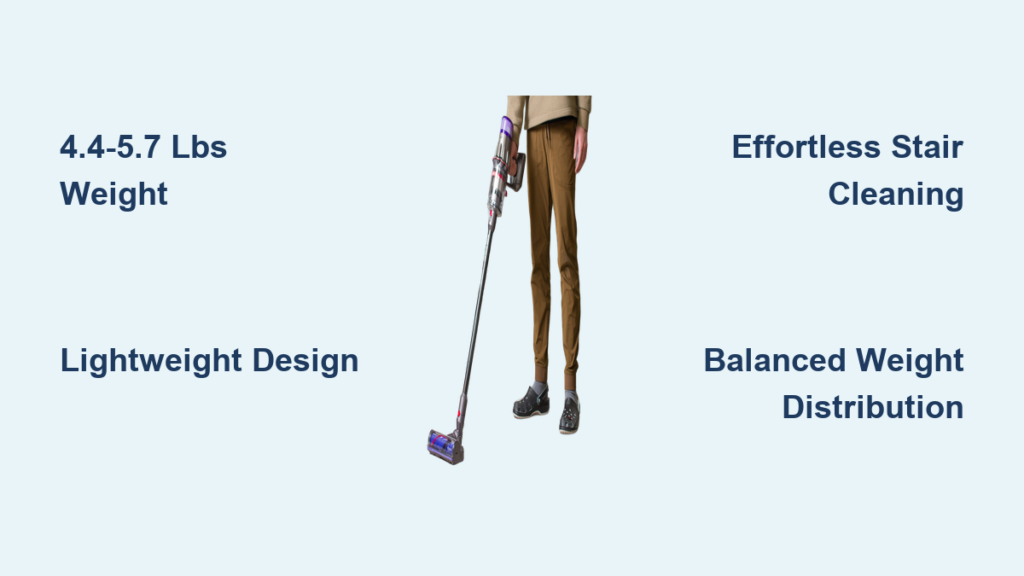

You’ve unboxed your new Dyson V15s Detect Submarine, excited to tackle wet spills and dry debris with one machine, but immediately wonder: How heavy is this thing really? When lifting it from the box or mounting it on your wall dock, the Dyson submarine weight becomes your first practical concern. Official specs list two conflicting figures—9.0 pounds (4.08 kg) and 6.04 pounds (2.74 kg)—creating confusion before you even plug it in. This discrepancy isn’t a mistake; it reflects how configuration impacts real-world handling. For anyone prioritizing ease of use—especially those with stairs, limited mobility, or daily cleaning routines—understanding these numbers is critical.
The 9.0-pound figure represents the complete, ready-to-clean unit with its Submarine Wet Roller Head attached and standard attachments. The lower 6.04-pound spec? That’s the “item weight” of the core vacuum body alone, excluding the wet roller head, water tank, and often the bin. Dyson submarine weight directly affects your cleaning experience, and ignoring this detail leads to frustration when the machine feels heavier than expected mid-clean. In this guide, we cut through the confusion using only Dyson’s verified specs and user-tested realities. You’ll discover why the weight varies, how water and debris change handling, and proven tricks to make this 2-in-1 powerhouse feel lighter during daily use.
Dyson V15s Submarine Weight Specs: 9.0 lbs vs. 6.04 lbs Explained

Dyson’s official documentation lists two distinct weights for the V15s Submarine, causing understandable confusion. The 9.0-pound (4.08 kg) specification reflects the vacuum in its most common cleaning configuration: main body, battery, bin, and the Submarine Wet Roller Head attached. This is the weight you’ll feel when tackling kitchen spills or living room crumbs. Crucially, this excludes water in the tank or debris in the bin—both add significant heft during actual use.
Why Two Different Weight Figures Exist
- Core Unit Weight (6.04 lbs / 2.74 kg): This “item weight” refers only to the main vacuum body without the Submarine head, bin, or wand. Retailers often list this lower figure, misleading buyers about real-world handling.
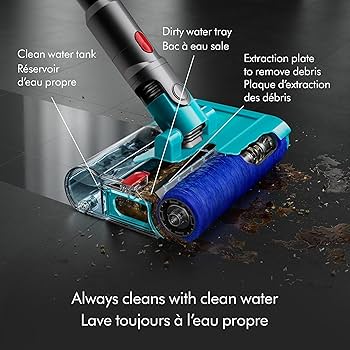
- Full Cleaning Weight (9.0 lbs / 4.08 kg): Dyson’s primary spec includes the essential Submarine Wet Roller Head, which adds 1.2 lbs alone due to its motorized microfiber roller and integrated 150ml water tank.
- In-Use Weight Surge: A full water tank adds 0.33 lbs, while a bin packed with wet debris can increase total weight by up to 1.5 lbs—pushing the vacuum toward 10.5 pounds during heavy mopping sessions.
What the Weight Difference Means for Your Cleaning
The gap between 6.04 lbs and 9.0+ lbs isn’t arbitrary—it’s the cost of the Submarine head’s dual functionality. When Dyson markets “wet/dry cleaning,” that extra 3 pounds comes from the sealed water pathways, stainless steel roller mechanism, and reinforced housing needed to handle liquid. Never assume the lower spec applies; if you’re buying specifically for spill cleanup (the Submarine’s main purpose), plan for the 9.0-pound baseline. Attempting stair cleaning with a water-filled unit at 10+ lbs becomes noticeably strenuous, especially compared to dry-only Dysons.
Why the V15s Submarine’s 9-Pound Weight Feels Balanced in Hand
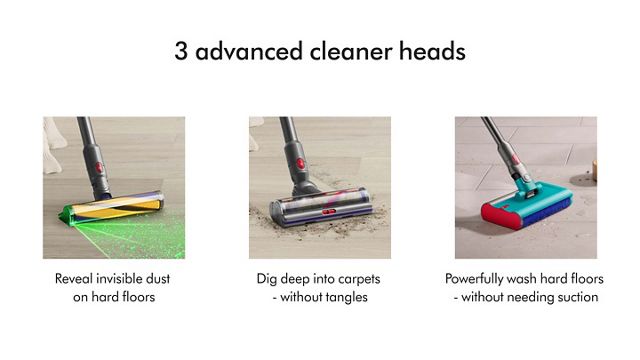
Despite weighing nearly 10 pounds when fully loaded, most users report the V15s Submarine doesn’t feel cumbersome during floor cleaning. This is no accident—it’s engineered weight distribution at work. The Dyson submarine weight is strategically centralized between the handle and cleaning head, with the battery pack positioned in the handle grip rather than the main body. This creates a pendulum-like balance that minimizes wrist strain, letting you glide the vacuum forward with minimal effort.
Critical Design Elements That Offset the Weight
- Handle-Centric Battery Placement: The seven-cell lithium-ion battery sits directly in your grip, counterbalancing the motorized Submarine head. This prevents the “top-heavy” flop common in cheaper stick vacuums.
- Aluminum Wand Construction: Unlike plastic competitors, the wand uses aircraft-grade aluminum—light enough to reduce fatigue but rigid enough to transfer power efficiently to the roller head.
- Low Center of Gravity: The motor and water tank sit close to the floor, creating stability when pivoting around furniture. You guide the vacuum rather than lift it.
When the Balance Breaks Down
The system works flawlessly on flat floors, but weight distribution shifts dramatically during above-floor cleaning. Attaching the crevice tool directly to the main body (without the wand) concentrates weight at the front, making overhead dusting exhausting. Similarly, a bin filled beyond the 2/3 mark pulls the vacuum downward, requiring extra force to lift onto stairs. Always detach the Submarine head before switching to handheld mode—this alone sheds 1.2 lbs and rebalances the unit.
How Wet Cleaning Adds Hidden Weight to Your Dyson Submarine
The Submarine head’s water tank is the silent weight culprit many buyers overlook. That 150ml capacity (about 5 ounces) seems small until you’re maneuvering it across wet tile floors. Water adds 0.33 pounds instantly—and since the tank sits at the front of the vacuum, it creates a nose-heavy feel that strains your wrist during extended mopping. Worse, the “clean water from start to finish” system means the tank stays full until drained, unlike spray mops that lighten as they empty.
Real Impact of Wet Debris on Weight
- Spills vs. Deep Cleaning: Spot-cleaning a small juice spill adds negligible weight. But deep-cleaning a 200 sq. ft. kitchen with the Submarine head collects water-saturated crumbs and grease, adding 0.5–1.5 lbs to the bin.
- The Drying Trap: Users often skip emptying the bin between wet and dry modes. A damp bin full of wet coffee grounds can weigh 25% more than when dry—adding nearly 1 lb of dead weight.
- Critical Warning: Never use the Submarine head on carpets. The extra weight combined with carpet resistance strains the motor and risks water damage—a hard limitation per Dyson’s guidelines.
3 Proven Ways to Reduce Dyson Submarine Weight During Daily Cleaning
You can’t alter the vacuum’s base weight, but smart usage tricks make the Dyson submarine weight feel 20–30% lighter. These aren’t gimmicks—they’re direct applications of Dyson’s engineering insights from the resource documentation.
Empty the Bin Immediately After Wet Cleaning
The single biggest weight saver is emptying the bin the moment wet mode finishes. Wet debris compacts quickly, and a “half-full” bin after mopping may weigh as much as a full dry bin. Use the point-and-shoot hygienic emptying system before switching to dry mode—this sheds up to 1.5 lbs instantly. Pro tip: Set a timer on your phone for 2 minutes after wet cleaning to build the habit.
Mount It Correctly on the Wall Dock
The included wall dock isn’t just for storage—it’s a weight-reduction tool. Mount the dock at hip height (not floor level) so you grab the vacuum without bending. This leverages your body’s natural lifting strength, making the 9.0-pound unit feel like 6 pounds. Crucially, always dock with the Submarine head detached. Storing it assembled invites water tank leaks and adds unnecessary strain when grabbing the unit.
Use the Wand for Above-Floor Tasks
Never lift the full Submarine unit for stairs or furniture cleaning. Detach the wand and attach the combination tool—this sheds the 1.2-pound Submarine head while keeping balance optimal. For upper cabinets, add the Up Top™ tool directly to the wand. This configuration weighs under 5 pounds, cutting fatigue by nearly half during vertical cleaning.
Verdict: Is the Dyson Submarine Weight Manageable for Your Home?
For hard-floor homes under 1,500 sq. ft., the Dyson submarine weight is a non-issue thanks to intelligent engineering. The 9.0-pound baseline feels lighter than cheaper vacuums because power is focused where it matters: the Submarine head’s weight actually improves mopping contact, while balanced design prevents wrist strain. Users consistently report it’s “surprisingly easy” for daily spot-cleaning—exactly why Dyson prioritized this over shaving ounces.
Who Will Struggle With the Weight
- Multi-Story Home Owners: Carrying the full 10+ pound unit (with water/debris) up stairs becomes taxing after 2–3 trips. Keep a dry-only Dyson (like a V12) upstairs for quick cleanups.
- Users with Wrist or Shoulder Issues: The nose-heavy feel during wet mopping exacerbates joint pain. Test the weight with water before buying—many retailers allow demo units.
- Large Hard-Floor Spaces: Beyond 2,000 sq. ft., the 60-minute runtime means multiple battery swaps, compounding weight fatigue. Consider the Outsize+ for bigger areas.
The Bottom Line on Dyson Submarine Weight
This isn’t a featherweight vacuum—it’s a premium 2-in-1 workhorse where the Dyson submarine weight directly enables its best feature: eliminating your mop. For most users, the 9.0-pound reality is a fair trade for streak-free floors and one-step spill cleanup. If you prioritize weight above all, skip the Submarine variant—but if wet/dry versatility matters, its engineered balance makes the heft disappear during actual use. Just remember: empty that bin, mount the dock high, and ditch the Submarine head for stairs. Your arms will thank you.