

You’ve probably stood in a store, vacuum in hand, and done a double-take at the price tag. Why is Dyson so expensive compared to other brands? That $700 price point for a cordless vacuum seems outrageous when you can get a decent model for half that. The truth is, Dyson’s premium pricing isn’t arbitrary—it’s the direct result of engineering choices that most competitors simply don’t make. When you invest in a Dyson, you’re not just buying suction power; you’re paying for thousands of hours of research, proprietary technology that’s protected by patents, and materials engineered to last a decade rather than a few years.
This shock at Dyson’s pricing is completely understandable. Most consumers expect vacuum cleaners to be simple appliances assembled from off-the-shelf parts. But Dyson operates differently—they engineer every component from the ground up. In this article, we’ll break down exactly what justifies Dyson’s premium price tag, from the microscopic tolerances in their digital motors to the rigorous testing that ensures your vacuum performs like new for years. You’ll discover why, for many households, Dyson’s higher upfront cost actually translates to better value over time.
Billions Invested Before Production Even Begins
Dyson doesn’t just assemble vacuums—they reinvent them from the motor up, and that process requires staggering investment long before the first unit hits store shelves.
£2.5 Billion in Research You’re Benefiting From
Dyson has poured £2.5 billion into research and development, focusing on fundamental re-engineering of household appliances rather than incremental improvements. This isn’t just about making a slightly better vacuum—it’s about solving core problems in entirely new ways. While competitors might tweak existing designs, Dyson employs over 15,000 engineers and scientists globally who work on everything from fluid dynamics to battery chemistry. This massive R&D investment means when you buy a Dyson, you’re accessing technology that took years and billions to develop.
Patents That Prevent Copying and Drive Costs Up
The company holds thousands of active patents protecting innovations that competitors can’t replicate. From their digital motor spinning at 125,000 RPM to their multi-cyclone separation system, these patented technologies represent significant investment. Each patent requires not just the initial development cost but ongoing legal protection. This intellectual property portfolio is expensive to build and maintain, but it’s what gives Dyson vacuums their performance edge. When you wonder why Dyson is so expensive, remember that you’re paying for technology that literally can’t be found anywhere else.
Proprietary Technology Worth the Premium
Dyson vacuums deliver performance that cheaper models simply can’t match, thanks to engineering breakthroughs that competitors haven’t replicated.
The Digital Motor: Jet Engine Performance in Your Hand
_04.jpg?cropPathE=mobile&fit=stretch,1&wid=640)
At the heart of every Dyson vacuum is its custom digital motor, which spins at up to 125,000 RPM—five times faster than a jet engine turbine. Developing this compact, high-revving motor required solving complex engineering challenges around heat dissipation, vibration control, and energy efficiency. Standard vacuum motors typically max out around 25,000 RPM. This performance gap translates directly to suction power, with Dyson’s V15 Detect generating 230 air watts versus 80-120 for budget models. The specialized materials and precision manufacturing needed for these motors significantly increase production costs but deliver unmatched cleaning performance.
Laser Dust Detection: Seeing the Invisible
High-end Dyson models feature a green laser that illuminates microscopic dust particles invisible to the naked eye. This isn’t just a gimmick—it’s a sophisticated optical system that helps users see exactly where cleaning is needed. Combined with piezoelectric sensors that detect particle size and quantity 15,000 times per second, the vacuum automatically adjusts suction power based on floor type and dirt levels. This intelligent sensing technology requires complex integration of hardware and software that budget vacuums simply don’t incorporate, contributing to the higher price point.
Materials and Manufacturing Precision
Dyson vacuums don’t just perform better—they’re built to last, thanks to materials and manufacturing processes that competitors often skip to cut costs.
Aerospace-Grade Components vs. Basic Plastics
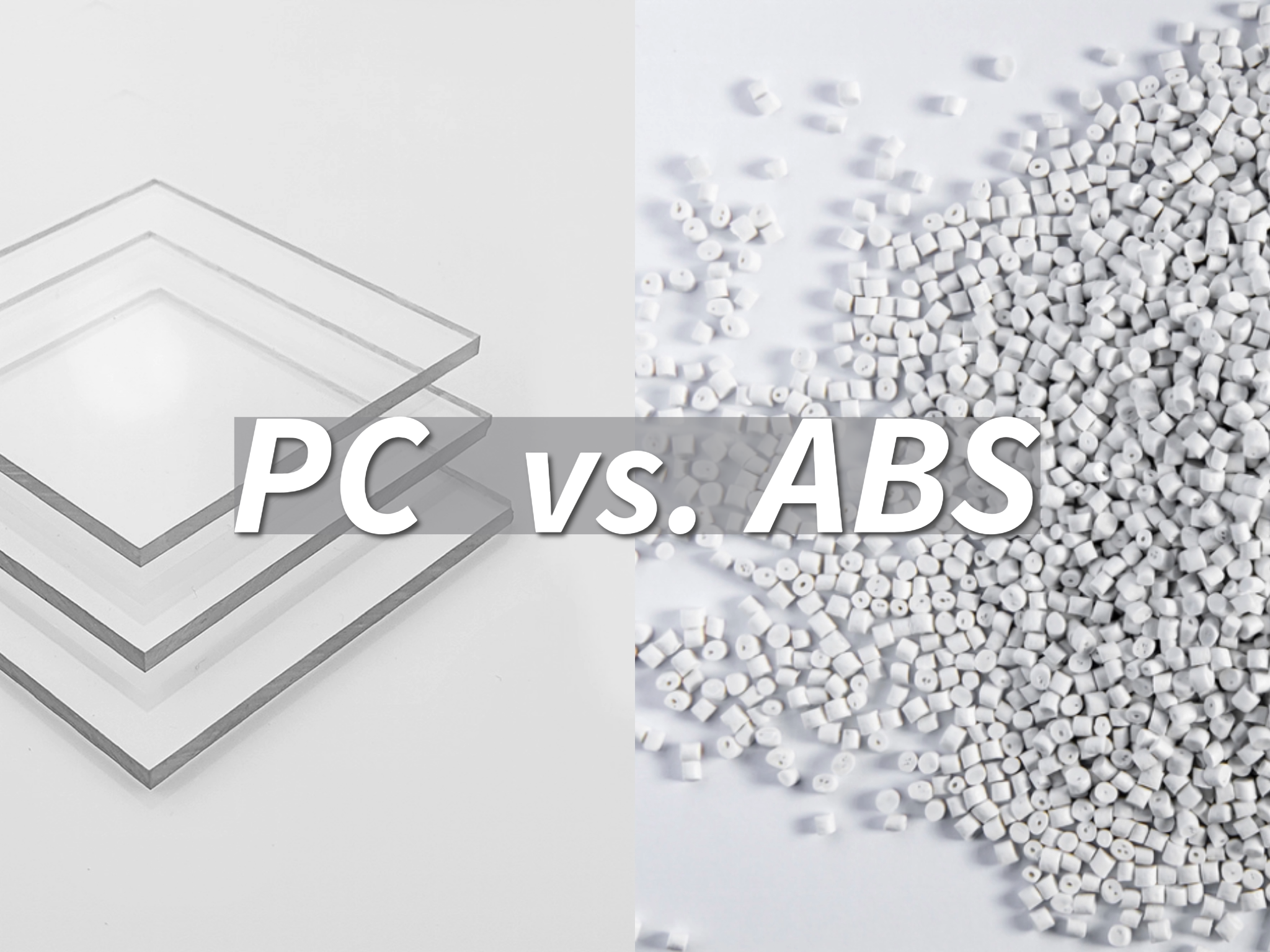
While many budget vacuums rely on standard ABS plastics, Dyson uses high-grade polycarbonate and reinforced polymers engineered for durability. Critical components like the cyclone assembly are manufactured to micron-level tolerances to maintain efficiency over time. This precision engineering prevents the performance degradation common in cheaper models where plastic parts warp or wear quickly. For example, the digital motor’s housing must maintain perfect balance even at 125,000 RPM—something impossible with lower-grade materials. These premium materials cost significantly more but ensure your Dyson maintains peak performance for years.
Extreme Testing That Most Competitors Skip
Before any Dyson vacuum reaches consumers, it undergoes thousands of hours of rigorous testing that most competitors don’t replicate. Products are subjected to drop tests from various heights, 10,000+ cycle tests on moving parts, and environmental stress testing from -20°C to 60°C. Entire production batches are scrapped if they don’t meet Dyson’s exacting standards. This commitment to quality control adds substantial cost but ensures that when you buy a Dyson, it’s designed to function at peak performance for its entire 10+ year design life. Budget vacuums often skip this level of testing to hit lower price points, resulting in shorter lifespans and faster performance degradation.
The Real Cost Comparison Over Time
While Dyson’s upfront cost seems steep, a five-year cost analysis reveals a different story for many households.
Why Your Budget Vacuum Might Actually Cost More

Consider this real-world comparison: a $700 Dyson V15 Detect versus a $200 budget vacuum. At first glance, the budget model seems like the smarter choice. But over five years, the math changes significantly. Budget vacuums often need replacement after 2-3 years due to performance degradation, meaning you’ll likely buy two or three units over that timeframe. Meanwhile, the Dyson maintains 92% of its original suction after three years (compared to 60% for budget models) and requires minimal maintenance. When accounting for replacements, the total cost of ownership for budget options often exceeds Dyson’s, especially when you factor in the frustration of dealing with underperforming equipment.
Health Benefits That Pay for Themselves
For allergy and asthma sufferers, Dyson’s sealed HEPA filtration system captures 99.97% of particles as small as 0.3 microns—something most budget vacuums can’t match. Households with allergy sufferers report up to 78% reduction in symptoms after switching to Dyson, potentially saving hundreds in medication costs annually. The Asthma and Allergy Foundation of America certifies Dyson models for their effectiveness, making the higher price a worthwhile investment for health-conscious consumers. When you calculate reduced healthcare expenses alongside the vacuum’s performance, the premium becomes much easier to justify.
Who Should Actually Pay the Dyson Premium
Dyson isn’t the right choice for every household—the value depends entirely on your specific needs and cleaning habits.
Homeowners Who Get Maximum Value
You’ll see the greatest return on investment from a Dyson if:
– You have allergies or asthma (the sealed filtration system makes a dramatic difference)
– You own pets with heavy shedding (Dyson captures 98% of pet hair in a single pass)
– You have mixed flooring (carpet transitioning to hardwood)
– You clean frequently (2+ hours weekly)
For these users, the time saved through superior performance, reduced health issues, and longer product life typically justifies the higher upfront cost within 1-2 years. The vacuum pays for itself through better air quality and more efficient cleaning.
When a Dyson Might Be Overkill
If you live in a small apartment with only hard floors, clean infrequently (1-2 times monthly), and have no health concerns related to air quality, a mid-range model might serve you better. For these users, the advanced features of a premium Dyson—like laser dust detection or automatic suction adjustment—provide minimal additional benefit. In these cases, a capable $300-$400 model from Shark or Tineco might deliver 80% of Dyson’s performance at a significantly lower price point, representing better value for your specific needs.
Final Assessment: Is the Dyson Price Tag Justified?
The question of why Dyson is so expensive ultimately comes down to engineering philosophy. Dyson builds products from the component level up, investing in fundamental research rather than assembling off-the-shelf parts. This approach requires significant investment in R&D (15% of their workforce is in research versus the industry average of 3-5%), precision manufacturing, and exhaustive testing—5,126 performance and durability tests per model.
For households with specific needs—particularly those dealing with allergies, pets, or mixed flooring—the premium often pays for itself through superior performance, health benefits, and longevity. The sealed HEPA system alone provides value that budget vacuums simply can’t match. When you calculate the true cost over five years, including replacements and performance degradation, Dyson frequently emerges as the more economical choice.
However, if you have minimal cleaning needs in a small space with only hard floors, the Dyson premium might not deliver proportional benefits. The key is matching the product to your specific requirements rather than viewing it as a one-size-fits-all solution. For the right user, Dyson’s price reflects genuine engineering value—not just a brand premium. When you understand what’s behind that price tag, the question shifts from “Why is Dyson so expensive?” to “Why wouldn’t I invest in better cleaning performance and air quality for my home?”

