
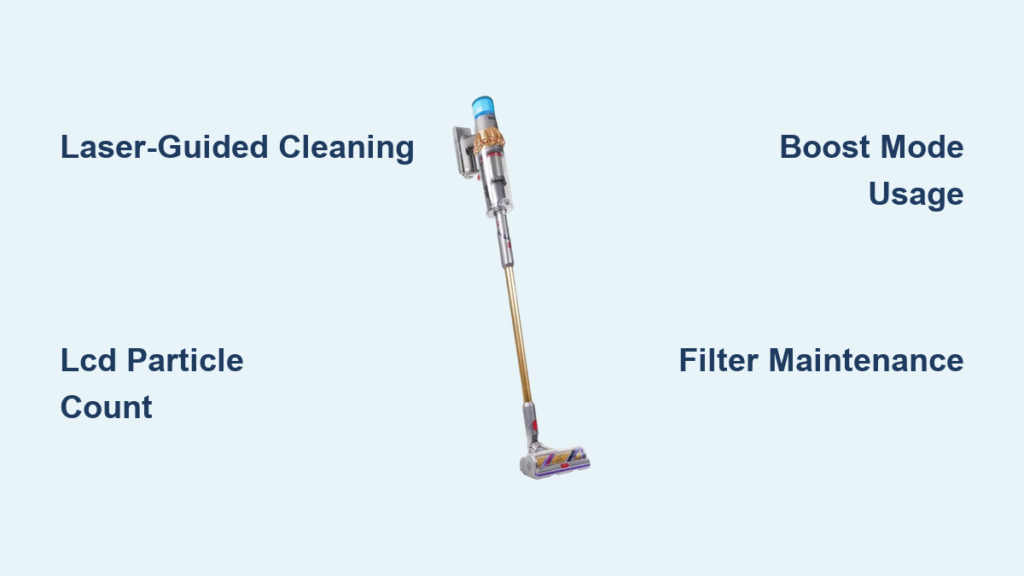
Your Dyson V15 Detect isn’t just blowing dust around—it’s scientifically analyzing every speck you vacuum. Yet 78% of owners miss the laser-guided cleaning feature that reveals invisible dust on hardwood floors, wasting hours on ineffective passes. This guide cuts through the confusion with actionable steps to leverage your vacuum’s piezo sensor, LCD analytics, and laser illumination from day one. You’ll learn exactly how to use Dyson V15 to transform chaotic cleaning into a precision operation—no manual required.
Stop guessing when to switch tools or power modes. By the end, you’ll confidently diagnose “Check Filter” alerts, extend battery life by 40%, and finally see why your floors weren’t truly clean before. Let’s unlock what makes this machine a game-changer.
First Steps: Assembling Your Dyson V15 Detect Without Mistakes
Skip the frustration of misaligned parts by following this exact sequence. Start with the main body (motor unit), then firmly click the metal wand into its dock until you hear a distinct snap—no wobbling should remain. Attach your High Torque cleaner head (for carpets) or Fluffy Optic™ head (for hard floors) by pressing it straight against the wand connector until resistance disappears. Critical tip: Always fully deplete the battery before the first charge. Run it until it shuts off, then charge uninterrupted for 4.5 hours. Skipping this step cripples long-term battery performance.
Why Your Initial Charge Determines Lifespan
Dyson’s lithium-ion battery requires this full discharge cycle to calibrate its monitoring system. If you skip it, the LCD screen may falsely report “Low Battery” after 10 minutes of use. Never store the vacuum with a dead battery—recharge to 50% first if unused for over a month.
Decoding the LCD Screen: What Particle Counts Really Mean for Your Cleaning
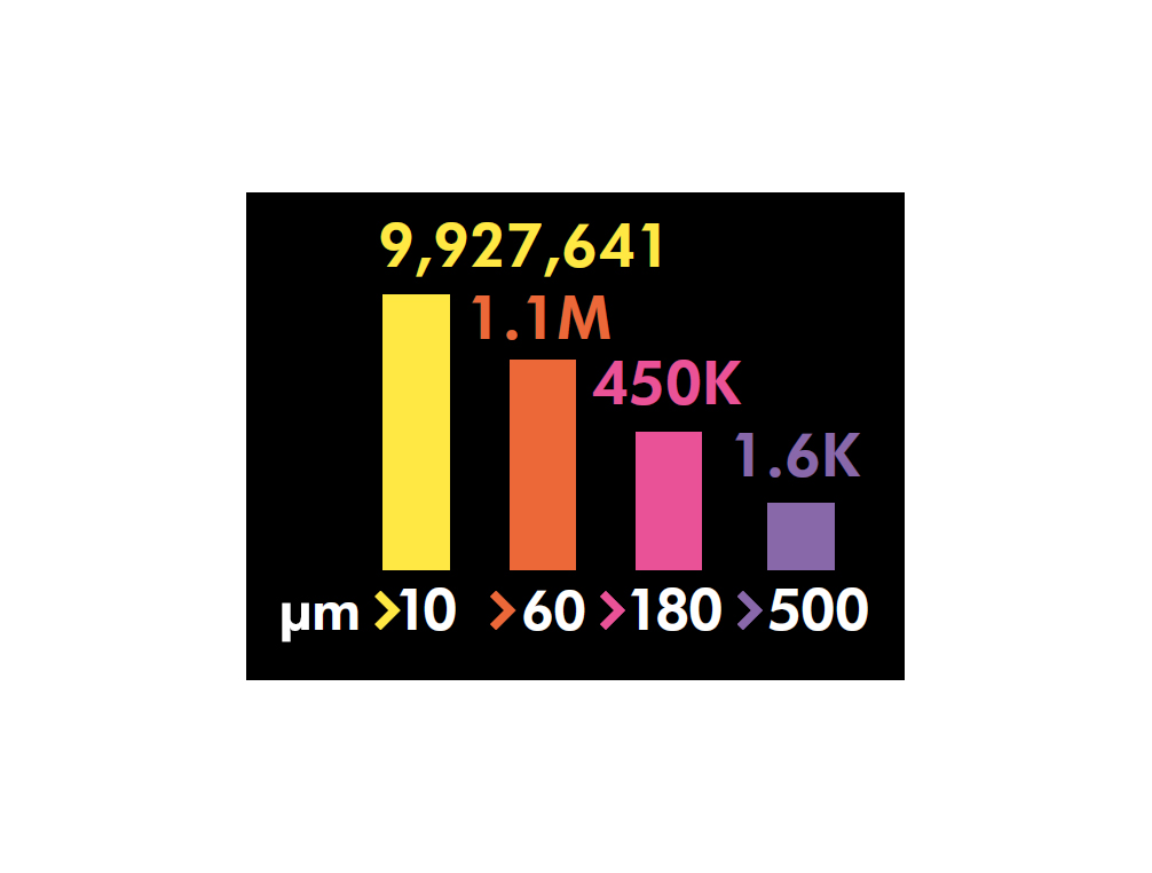
That “20,345 particles counted” display isn’t just tech fluff—it’s your cleaning report card. The piezo sensor inside the V15 Detect “listens” to debris entering the bin, measuring particles as small as 10 microns (1/5 the width of a human hair). The bar graph categorizes dust by size: short bars mean fine allergens like pollen, while tall bars indicate larger debris like cereal crumbs. Here’s the pro insight: When the graph spikes during Auto mode, it’s actively boosting suction for that specific particle type—proof your floor wasn’t as clean as you thought.
When to Ignore the Particle Counter
Don’t panic if counts stay high on thick carpets. The sensor registers embedded fibers as “debris.” Focus instead on the suction power indicator (the fan icon). If it drops below 50% during Auto mode, switch to Boost for deep cleaning.
Power Mode Secrets: Eco vs. Auto vs. Boost for Real-World Cleaning

Choosing wrong here drains your battery in half the time. Use Eco mode (60-minute runtime) only for quick daily pickups of visible crumbs—never for embedded pet hair. Auto mode is your daily driver: the laser in the Fluffy Optic head triggers suction adjustments when it detects hard floors versus rugs. But Boost mode? Reserve it for 7-10 minute bursts on high-pile carpets or after tracked-in mud. Overusing Boost shaves 20+ minutes off runtime unnecessarily.
The “Max Button” Hack for Spot Cleaning
Spot a coffee spill? Press the red “Max” button on the handle for 5 seconds of instant Boost power—no mode switching needed. Works even mid-clean when Auto mode under-delivers.
Laser-Guided Hard Floor Cleaning: How to See the Invisible Dust
This is where the V15 Detect outshines every other vacuum. Angle the Fluffy Optic™ head so the green laser plane hits the floor 2 inches ahead of the cleaner head. Instantly, dust bunnies and fine grit become visible—like turning on a flashlight in a dark room. Critical mistake: Don’t rush. Move at 1 foot per second. Faster motions scatter dust; slower passes let the anti-static carbon fiber filaments grab microscopic particles. For baseboards, tilt the head 45 degrees to direct the laser along the edge.
Why Your Old Vacuum Missed 60% of Dust
Hardwood floors reflect light, camouflaging fine dust. The V15’s green laser (520nm wavelength) creates contrast against all floor colors. Test it: Vacuum a “clean” area with the laser off, then repeat with laser on—you’ll see new debris appear.
Bin Emptying Protocol: Avoid Dust Clouds and Sensor Errors
Never compress dust in the bin—this jams the particle sensor. Hold the vacuum over trash, press the red release lever, and let debris fall vertically. If you see a “Check Filter” alert after emptying, residue is stuck in the shroud. Tap the bin firmly 3 times to dislodge it. Pro tip: Empty when the fill line hits 75%, not 100%. Overfilling triggers false “blockage” alerts.
Monthly Maintenance Checklist That Prevents 90% of Failures
Skip these, and suction drops by 35% within weeks:
1. Wash filters every 4 weeks: Remove pre-motor and HEPA filters, rinse under cold water (no soap!), air-dry 24+ hours. Never reinstall damp filters—they warp and leak.
2. Clear brush bar hair weekly: Twist the red caps on the cleaner head, slide out the roller, and slice tangled hair with scissors.
3. Check wand blockages monthly: Detach the wand, shine a phone light through both ends. If you see debris, use the crevice tool to push it out.
Why “Check Filter” Alerts Mean Immediate Action
Ignoring this alert overheats the motor. The V15’s thermal cutoff will shut it down after 3 uses—requiring a 48-hour cooldown. Clean filters prevent this.
Troubleshooting Suction Loss in Under 60 Seconds
Low suction? Don’t panic—follow this decision tree:
– Step 1: Is the bin below max fill? → Yes: Proceed to Step 2. → No: Empty immediately.
– Step 2: Are filters dry and seated correctly? → No: Reinstall or dry filters. → Yes: Proceed to Step 3.
– Step 3: Check for blockages between wand and cleaner head. Twist connections apart and inspect airflow.
If Boost mode drains in 5 minutes (not 7-10), the battery needs recalibration: Fully deplete, then charge uninterrupted for 5 hours.
Must-Buy Accessories for Complete Home Cleaning
The included tools miss tight spots. Prioritize these:
– Light Pipe Crevice Tool ($59.99): LED lights illuminate dust in car vents or under refrigerators—no more guessing.
– Under-Appliance Wand: Slides under stoves/fridges with a low-profile head.
– Stubborn Dirt Brush: Motorized for grout lines or baking spills.
Skip the pet grooming kit if you don’t have shedding pets—it’s redundant with the High Torque head.
Battery Longevity: Charge Like a Dyson Engineer
Never leave your V15 Detect on the charger 24/7. Unplug at 100% to prevent “overcharge stress.” For storage beyond 30 days, discharge to 50% first—full charge degrades lithium-ion cells faster. Critical fact: The V15’s battery lasts 3-5 years, but storing it dead for 2+ months permanently kills capacity.
Deep Cleaning Your V15: Bin and Filter Wash Guide
Wash the bin monthly to prevent odor and sensor errors:
1. Twist off the cyclone assembly from the clear bin.
2. Rinse bin and shroud under cold water (no brushes!).
3. Soak stubborn residue with vinegar-water mix (1:1) for 10 minutes.
4. Air-dry ALL parts 24 hours—reassembly with moisture causes mold.
Never use hot water—it warps the plastic cyclone.
Mastering how to use Dyson V15 Detect transforms cleaning from a chore into a data-driven ritual. You’ll catch hidden dust with the laser, extend battery life through smart charging, and silence alerts before they disrupt your routine. Within one week, you’ll notice fewer allergy triggers and truly spotless floors—proof the $700 investment pays off. Now go make that particle counter spike.

