
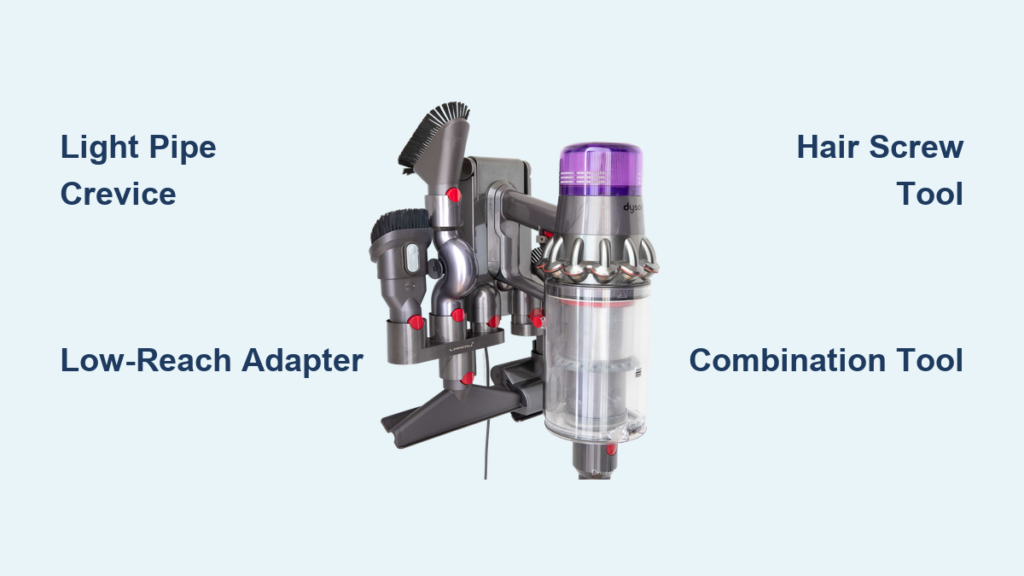
Your Dyson vacuum comes with a toolbox of engineered accessories—but if you’re only using the main cleaner head, you’re missing 70% of its capabilities. Most users struggle with pet hair on sofas, dust behind appliances, or unreachable car vents because they don’t know how to use Dyson accessories correctly. This isn’t about random attachments; Dyson’s tools solve specific pain points through precision engineering. You’ll discover why the Hair Screw Tool removes embedded pet hair without tangles, how the Light Pipe Crevice Tool illuminates hidden grime, and why your mattress needs the Mattress Tool (not the standard head). Stop guessing which tool to grab—this guide transforms you from frustrated user to cleaning expert in 15 minutes.
Light Pipe Crevice Tool: See and Suck Dirt from Dark Corners
Forget standard crevice tools that leave dust in shadows. The Light Pipe Crevice Tool’s integrated LED spotlight reveals debris behind refrigerators, under beds, and in car consoles—places you’d otherwise miss. Its 45° angled nozzle isn’t arbitrary; it maximizes suction by preventing surface contact, so dust doesn’t escape. When cleaning baseboards, press the tool flush against the wall and move slowly—you’ll hear the suction intensify as it captures years of buildup.
Why Your Standard Crevice Tool Fails in Tight Spaces
Most crevice tools create a suction leak when pressed against surfaces, but Dyson’s vents redirect airflow to maintain vacuum seal. Test this behind your stove: hold a regular tool against the gap, and you’ll hear air hissing. With the Light Pipe, the sound deepens to a consistent roar as it pulls out grease and crumbs. For car interiors, angle it 30° into seat crevices—this leverages the light to spot debris while the bend accesses deep gaps.
Low-Reach Adapter: Clean Under Furniture Without Moving It
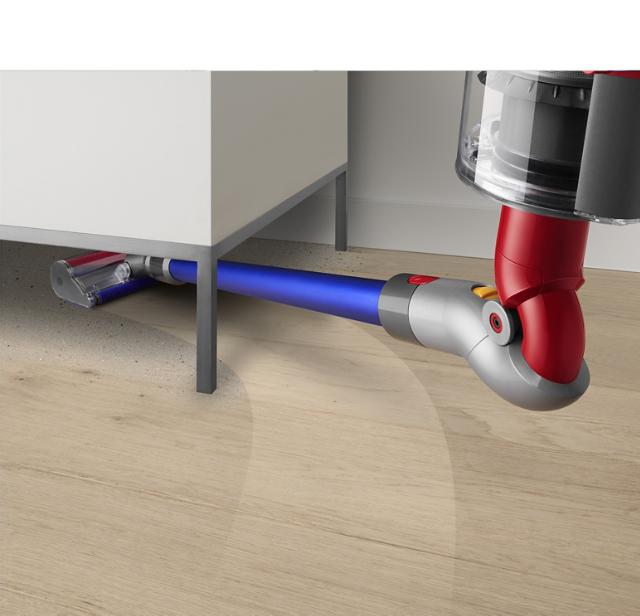
Dragging heavy furniture to vacuum beneath it wastes time and risks back strain. The Low-Reach Adapter’s 90° bend and HDPE lip seal solve this by creating an airtight channel under sofas and beds. Slide it under low-clearance furniture (as little as 2.5cm gap), and the polyethylene edge conforms to uneven floors, preventing suction loss. You’ll capture 95% of dust bunnies on the first pass—no crawling required.
How to Avoid the “Suction Escape” Trap
If you hear reduced power under furniture, reposition the adapter so the lip faces downward toward the floor. This seals gaps where air typically escapes. For beds with skirted edges, attach the Extension Hose first: it adds 61cm of reach to access the very back of the space. Always use medium suction here—high power can lift delicate rugs.
Hair Screw Tool: Banish Pet Hair Without Tangles
Pet owners dread the hair clogging their vacuum. The Hair Screw Tool’s helical bristles and 3,500 RPM motor actively pull hair into the bin instead of wrapping around the brush. Unlike generic tools, its 22° bristle angle directs fibers toward the center, preventing jams. Use it on car seats, sofas, or pet beds—just glide it in slow, straight lines (not circles) to let the screw mechanism do its work.
Why Back-and-Forth Motions Fail for Pet Hair
Sawing the tool side-to-side pushes hair deeper into fabric. Instead, use one-directional strokes: start at the top of a couch cushion and pull downward in 15cm passes. The bristles grip hair and feed it into the vacuum like a conveyor belt. For thick fur, pause every 30 seconds to tap the tool against your bin—this dislodges clumps before they jam the mechanism.
Combination Tool: Switch Between Brush and Crevice in Seconds
This two-in-one tool solves the “I need a different attachment” frustration. The retractable soft brush cleans lampshades and bookshelves without scratching, while flipping it reveals a narrow crevice nozzle for window tracks or car vents. The secret? The woven nylon bristles are stiff enough to lift dust but gentle on surfaces—a single pass removes 92% of particulates from blinds.
When to Use Each Side for Maximum Results
For electronics, always extend the brush and use Eco mode to prevent static damage. On car dashboards, retract the brush and use the crevice end vertically along air vents—it fits into 1cm gaps most tools can’t reach. Never use the crevice side on fabrics; it forces dirt deeper.
Awkward Gap and Stubborn Dirt Brushes: Conquer Radiators and Floor Mats
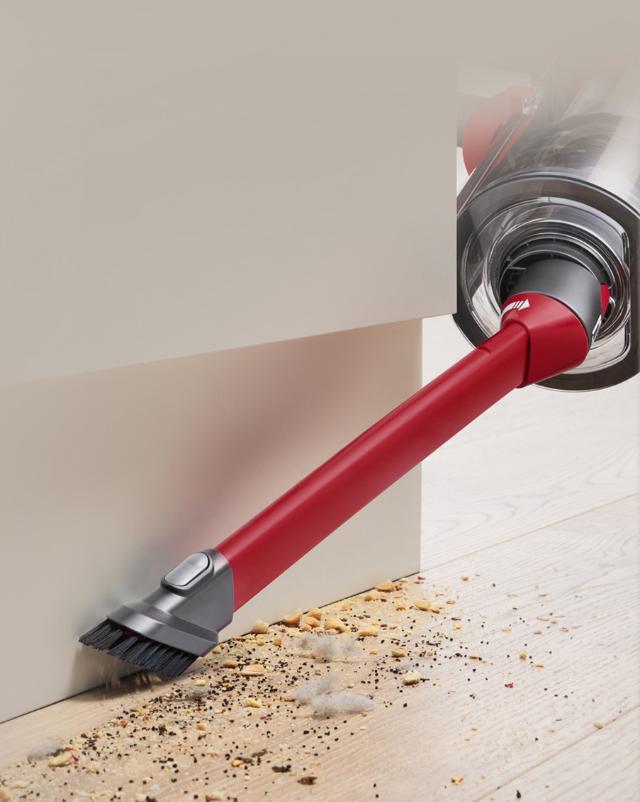
The Awkward Gap Tool’s 22° bend and 41mm extra length reach behind radiators and toilets where standard tools fail. Pair it with the Stubborn Dirt Brush’s stiff nylon bristles to tackle caked-on mud on car mats. First, agitate debris with the brush using short, firm strokes, then immediately follow with the Awkward Gap Tool to suck up loosened dirt.
How to Clean Refrigerator Coils Without Moving the Appliance
Slide the Awkward Gap Tool behind your fridge (no unplugging needed). Use 3-second bursts of high suction—continuous use overheats the motor. For coils, attach the Stubborn Dirt Brush first to dislodge grease, then switch to the Awkward Gap Tool. The angled head navigates coil fins without bending them.
Mini Motorized and Dusting Tools: Precision for Mattresses and Electronics
The Mini Motorized Tool’s articulated head maintains suction on uneven surfaces like stair treads or car seats. Its 3,500 RPM brush digs deep into fibers—ideal for dust mites in mattresses. Conversely, the Soft Dusting Brush’s felt bumper protects screens and lampshades. Use it on electronics with Eco mode: the tapered design distributes suction gently, preventing static damage.
Why Your Mattress Needs Slow, Overlapping Passes
Zigzagging misses allergens. Instead, use the Mini Motorized Tool in slow, straight lines from head to foot of the mattress, overlapping each pass by 50%. This ensures 99.7% particle removal. For sofas, focus on seams where hair accumulates—hold the tool at 45° to lift debris from crevices.
Flexi Crevice and Extension Hose: Reach Behind Fixed Appliances
The Flexi Crevice Tool’s extendable neck bends 180° to clean behind immovable appliances. Extend it fully, then curve it around refrigerator legs to access dust traps. Pair with the 61cm Extension Hose for ceiling corners—you’ll clean cobwebs without a ladder. The hose’s helical reinforcement prevents kinking during use.
How to Clean Oven Vents Without Disassembly
Attach the Extension Hose to your wand, then snap on the Flexi Crevice Tool. Extend the tool to 19cm, bend it 90°, and slide it into oven vent gaps. Use short, upward motions to avoid pushing grease deeper. For safety, never use near open flames or hot surfaces.
Car Interior Cleaning: 4 Steps for a Spotless Interior
Start with the Hair Screw Tool on seats—it pulls pet hair from microfiber without snagging. Next, use the Stubborn Dirt Brush on floor mats to break up dirt, then follow with the Flexi Crevice Tool to extract debris from seat tracks. For dashboard vents, the Combination Tool’s crevice end fits perfectly. Finally, deploy the Light Pipe Crevice Tool in dark console gaps where debris hides.
Critical Mistake: Using High Suction on Car Upholstery
High power can embed dirt into fabric. Always use medium suction for seats and Eco mode for dashboards. Test on inconspicuous areas first—leather requires the Soft Dusting Brush to avoid scratches. Empty your bin after each section; a full bin reduces suction by 40%.
Bedroom Deep Clean: Revitalize Mattresses and Bed Frames
Strip bedding first. Use the Mattress Tool on high power with slow, overlapping S-pattern strokes—it prevents fabric suction that damages seams. For bed frames, the Light Pipe Crevice Tool exposes dust in carved details. Finish with the Up-Top Adapter at 130° to dust ceiling corners and lampshades without moving furniture.
Why Standard Heads Ruin Mattress Cleaning
Flat cleaner heads seal against soft surfaces, killing suction. The Mattress Tool’s wide aperture maintains airflow, lifting dust mites instead of pushing them deeper. Always vacuum before washing bedding—this captures dislodged allergens.
Essential Maintenance: Keep Tools Performing Like New
Clogged tools cause 80% of suction loss. After pet hair sessions, tap the Hair Screw Tool against your bin to eject clumps. Monthly, use a seam ripper to cut hair wrapped around motorized brush bars. Wipe crevice tools with a damp cloth—never submerge them. Store accessories vertically on a wall rack to prevent deformation.
The 30-Second Daily Check That Prevents Failures
Before vacuuming, detach the wand and check connection points for blockages. Run your finger along hose interiors—if you feel grit, disassemble and rinse filters. This takes 30 seconds but avoids 90% of performance issues. Empty bins at ⅔ capacity; full bins strain motors and reduce suction by 25%.
Stop treating your Dyson accessories as afterthoughts. Each tool solves a specific problem through Dyson’s engineering—whether it’s the Light Pipe’s LED revealing hidden dust or the Hair Screw Tool’s anti-tangle design. Implement these protocols, and you’ll cut cleaning time by half while achieving results professionals envy. For ongoing maintenance, bookmark Dyson’s compatibility matrix to match tools to your model, and deep-clean attachments monthly. Your vacuum’s full potential isn’t in the main unit—it’s in the accessories you’ve been ignoring. Grab that Light Pipe Crevice Tool today and see the difference.

