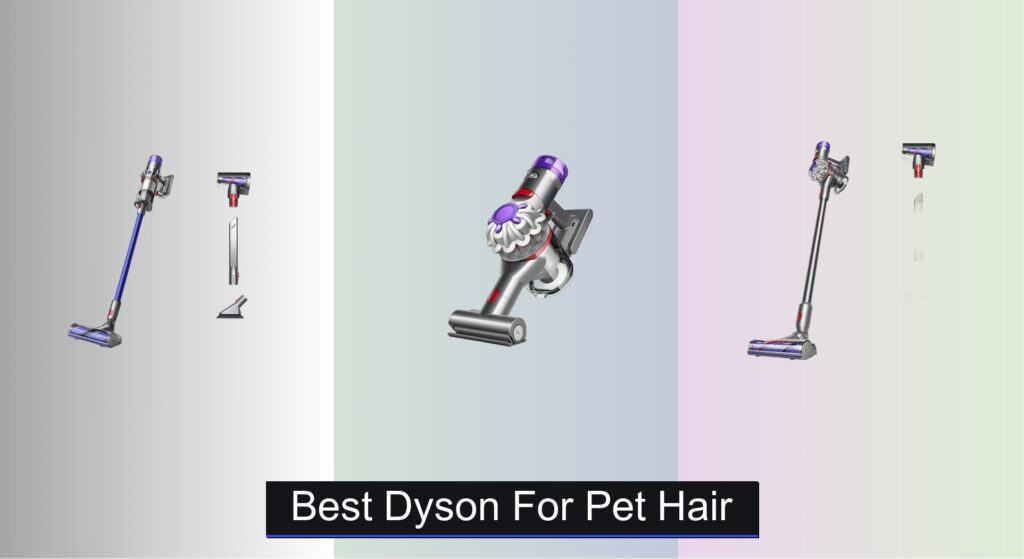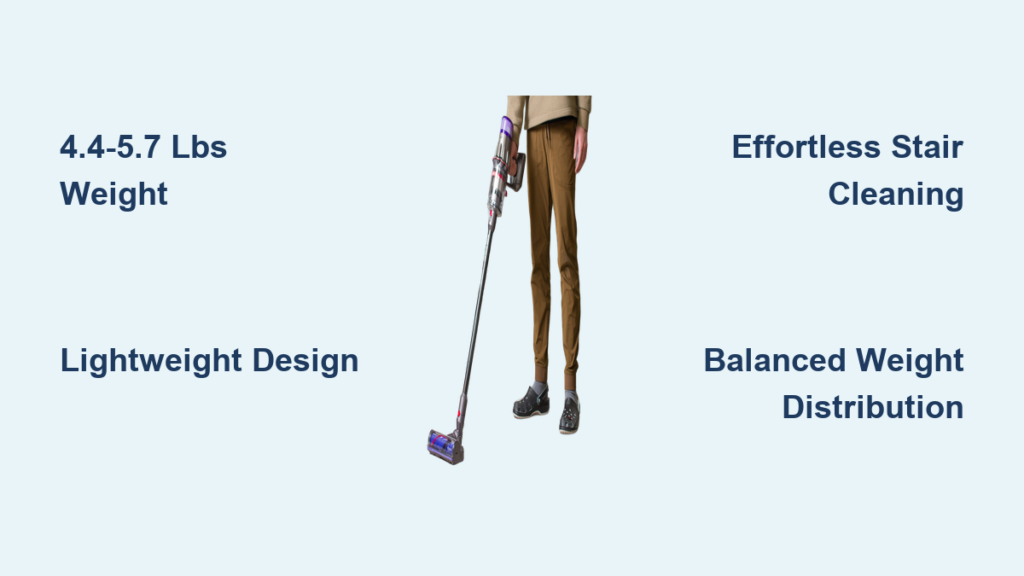
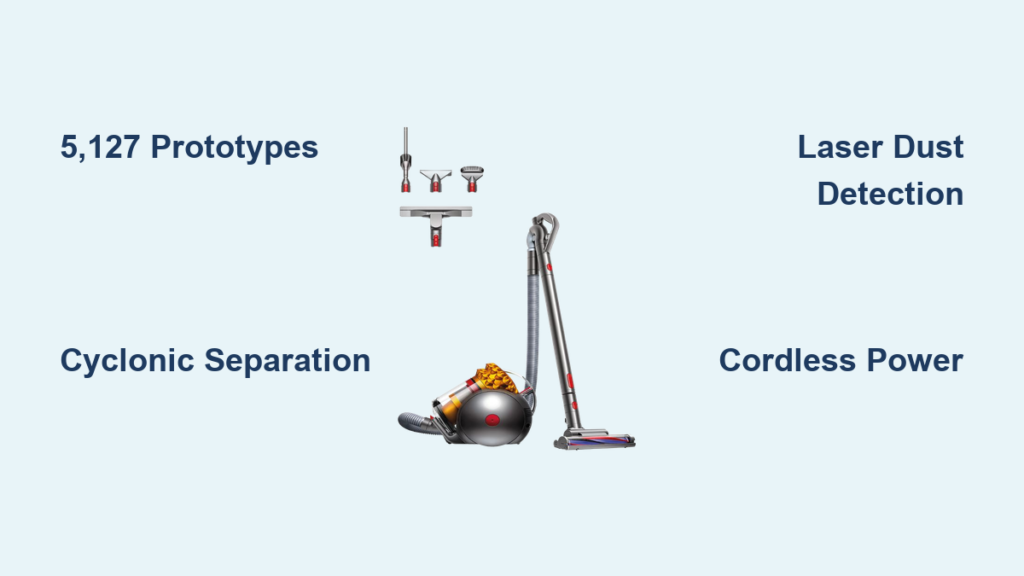
James Dyson didn’t just build a better vacuum cleaner—he obliterated 100 years of industry complacency. His relentless pursuit of bagless suction, forged through 5,127 failed prototypes, ignited the Dyson history of vacuums we know today. When the G-Force debuted in Japan in 1983 as a luxury status symbol, UK and US manufacturers laughed. Why fix a system that made billions selling disposable bags? But Dyson’s cyclonic separation wasn’t a tweak—it was a revolution that preserved suction while competitors’ machines choked. Within a decade, his DC01 would become Britain’s fastest-selling vacuum, proving that solving a universal frustration (suction loss) could redefine an entire industry. This is how one man’s obsession reshaped how we clean.
Why No Manufacturer Wanted the G-Force (1983-1993)
James Dyson’s breakthrough wasn’t welcomed with open arms—it was rejected for a decade. After perfecting dual-cyclone separation in his Cotswolds workshop, he pitched the bagless G-Force to every major vacuum company. Their response? “It’s too disruptive. We make more money selling bags.” The industry’s profit model depended on clogged filters and lost suction. Undeterred, Dyson licensed the G-Force to a Japanese firm in 1983. There, it became a ¥200,000 luxury item—prized for its relentless suction on tatami mats.
How Cyclonic Separation Actually Works

Unlike bagged vacuums that trap dirt in porous paper (causing immediate suction loss), Dyson’s system uses high-speed rotation:
– Stage 1: Air enters the outer cyclone chamber at 100+ mph, flinging heavy debris outward
– Stage 2: Finer particles move inward to a secondary cyclone, separating microscopic dust
– Result: No bags, no clogging, and consistent suction until the bin is full
This physics-defying process made the G-Force a cult hit in Japan but left Dyson bankrupt. He mortgaged his home repeatedly to fund production, proving his belief: If it solves a real problem, the market will follow.
The DC01: How a Vacuum Broke the Bagged Monopoly (1993)
Dyson’s gamble paid off when he launched the DC01 in the UK in 1993—the first mass-market vacuum with cyclonic tech. Skeptics called it a gimmick, but its transparent bin showcased the dirt it captured, proving suction never faded. Within 18 months, it outsold every competitor. The secret? It attacked the industry’s Achilles’ heel:
– No replacement bags (saving users £150+ yearly)
– Washable filters instead of disposable cartridges
– Root Cyclone technology with 15 cyclones working in parallel
Why the DC07 Dominated Hard Floors (2001)
By 2001’s DC07, Dyson solved carpet-to-hard-floor transitions. Its radial root cyclone system used stacked cones to maintain suction on bare floors where traditional vacuums lost 70% power. Homeowners noticed immediate results: pet hair vanished from tiles, and tracked-in sand disappeared from wood. Crucially, it included a hygienic “point-and-shoot” bin—no more hand contact with dust. This model became Dyson’s cash cow, funding R&D for the next revolution.
How the Ball Technology Killed Awkward Vacuuming (2005)
Before 2005, maneuvering a vacuum around furniture felt like wrestling a shopping cart. The DC15 Ball changed everything with its spherical base. Instead of rigid wheels, it used a ball-and-socket joint allowing 360° pivoting. You could steer it with one finger, glide behind sofas, and even vacuum under low beds.
Why Pet Owners Flocked to the Ball Animal (2006)
Dyson’s first specialty variant targeted the #1 vacuum complaint: pet hair. The Ball Animal featured:
– Tangle-free turbine tool with counter-rotating bristles
– Sealed HEPA filtration trapping dander (critical for allergy sufferers)
– Extra-wide cleaner head for quick carpet coverage
This wasn’t just an accessory—it was proof Dyson now engineered solutions for specific user pain points.
Why the DC59 Killed the Corded Vacuum (2013)
Cordless vacuums existed long before Dyson—but they were weak, short-lived novelties. The DC59 (2013) shattered that stigma by delivering 150 Air Watts of suction—matching corded models. Its secret? The digital motor V6, spinning at 110,000 RPM (5x faster than competitors). Suddenly, “cordless” meant “no compromises.”
The V6’s Game-Changing Innovation (2014)
While the DC59 proved cordless could work, the V6 (2014) made it indispensable. It introduced:
– Modular design: Convert from stick to handheld in seconds
– Fade-free battery: 20 minutes of max power (vs. competitors’ 8-minute fade)
– Whole-machine HEPA filtration—capturing 99.97% of 0.3-micron particles
This was the tipping point where 68% of Dyson sales shifted to cordless. Homeowners realized: Why wrestle with cords when freedom performs better?
The V10’s Radical Redesign That Changed Everything (2018)
Dyson’s engineers nearly scrapped the V10—it was too radical. By placing the motor, bin, and cyclone in a straight line, they slashed airflow resistance by 40%. The result? 20% more suction than the V8 in a lighter frame. But its true genius was ergonomics:
– Center of gravity shifted to your hand (no more wrist strain)
– Point-and-shoot bin emptying with one-handed operation
– 60 minutes runtime in eco mode (double the V8)
This reconfigured airflow path became Dyson’s blueprint for all future models.
How Laser Dust Detection Actually Works (V12/V15, 2021)
Most vacuums clean visible dirt—but Dyson’s V12 Detect Slim (2021) targeted the invisible. Its green laser diode, angled at 1.5°, casts microscopic dust into sharp relief on hard floors. Why green? It’s 3x more visible to the human eye than red. Paired with a piezo sensor that counts particles 8,000x/second, the V15 turned cleaning into data:
| Model | Laser Function | Particle Detection | Key Benefit |
|---|---|---|---|
| V12 Detect Slim | Illuminates dust on hard floors | Basic particle count | Reveals hidden debris |
| V15 Detect | Same laser + wider angle | Real-time size/count on LCD | Targets problem areas |
This wasn’t gimmickry—it solved the #1 user complaint: “I vacuum but still see dust later.”
Why the Gen5detect Sets the New Power Standard (2023)
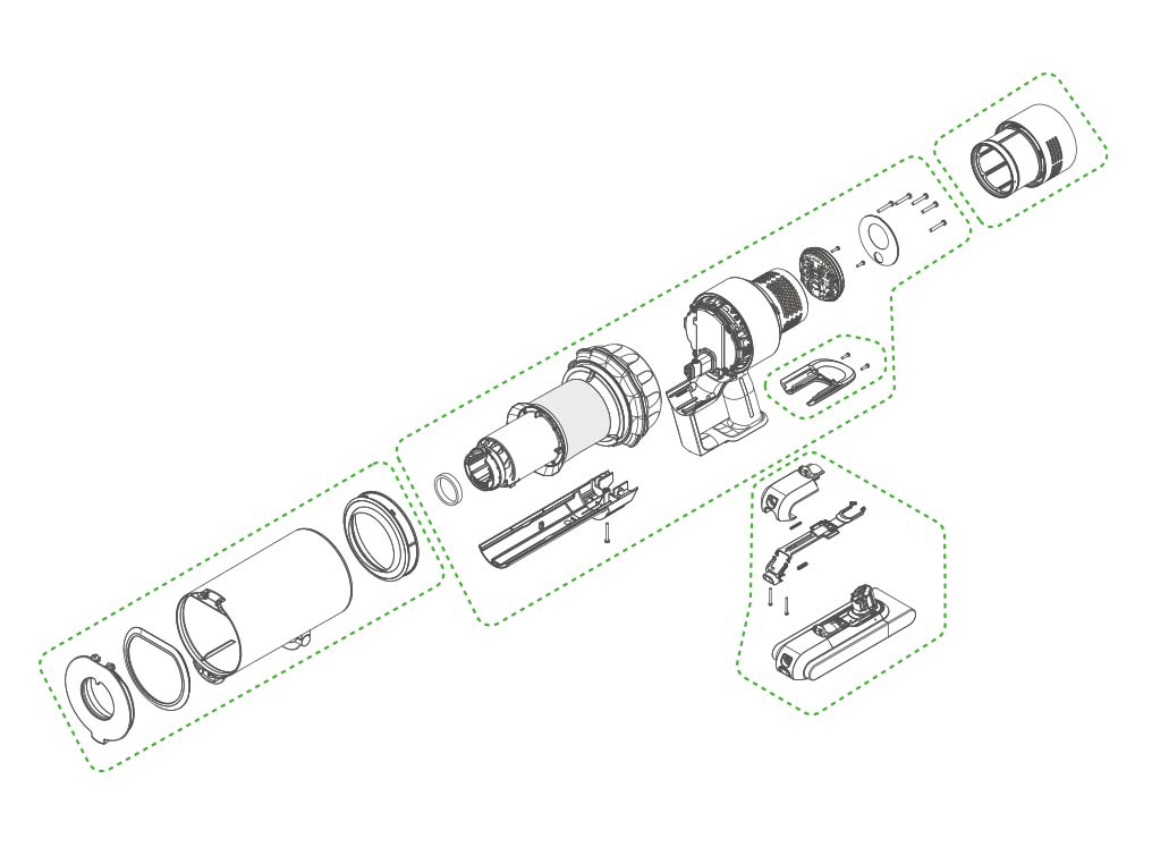
Dyson’s Gen5detect (2023) isn’t just an upgrade—it redefines “cordless power.” With 262 Air Watts (beating all predecessors), it extracts ground-in carpet dirt competitors miss. But its breakthrough is intelligent suction management:
– Dynamic load sensor adjusts power 160x/second when transitioning between surfaces
– HEPA-sealed system captures 99.99% of particles down to 0.1 microns (smaller than viruses)
– 70-minute runtime with swappable batteries for large homes
Crucially, it ditched the trigger for an ergonomic power button—eliminating finger fatigue during long cleans. This is Dyson’s most user-centric vacuum yet.
What’s Next: The Submarine & Robot Vacuum Revolution
Dyson’s 2023 Submarine wet-dry vacuum hints at the next frontier: integrated wet cleaning. Unlike competitors’ separate wet/dry tanks, it uses dual water pathways to prevent cross-contamination. But the real disruptor is the 360 Vis Nav robot vacuum (replacing the failed Heurist). Using LiDAR mapping and AI obstacle recognition, it navigates cluttered homes without bumping furniture—a direct response to user complaints about current robot vacuums.
Critical Maintenance Tip for Longevity
Dyson’s vintage DC07s (2005) still function today because owners followed one rule: “Clean filters monthly, clear blockages weekly.” Neglecting this causes 80% of premature failures. For cordless models:
– Never store with a full bin (dust degrades seals)
– Recharge after every use (lithium batteries hate full discharge)
– Wipe laser sensors monthly (dust scatters the beam)
Dyson’s Unbroken Rule: Solve What Others Ignore
From the G-Force’s rejection to the Gen5detect’s laser precision, Dyson history of vacuums follows one principle: Innovate where users suffer silently. While competitors chased cheaper production, Dyson obsessed over invisible problems—suction fade, pet hair tangles, unseen dust. Each model wasn’t just new tech; it was a solution to a frustration we’d accepted as “normal.”
Today’s Dyson vacuums are data-driven cleaning partners, but their legacy remains rooted in that Cotswolds workshop: 5,127 prototypes later, the mission hasn’t changed. It’s why your V15 shows dust counts, why the Ball pivots on a dime, and why James Dyson still tests every prototype himself. The next chapter—wet-dry hybrids, AI navigation—will keep challenging “good enough.” Because in Dyson’s history, there’s no finish line. Only the next problem to solve.